

A leaky shower faucet is one of the most common household issues — and one of the most wasteful. Even a small drip can waste dozens of gallons of water daily, increase utility costs, and stain bathroom surfaces over time. Fortunately, repairing a leaky shower faucet is a manageable task that requires a bit of patience, the right tools, and an understanding of how your faucet works.
At FUJIA, we manufacture high-quality shower faucets that are designed for durability, precision, and easy maintenance. Our products incorporate advanced cartridge systems and corrosion-resistant materials that minimize leaks and ensure smooth operation for years. In this guide, we’ll explain how to fix a leaky shower faucet effectively and safely — restoring both water efficiency and comfort to your bathroom.
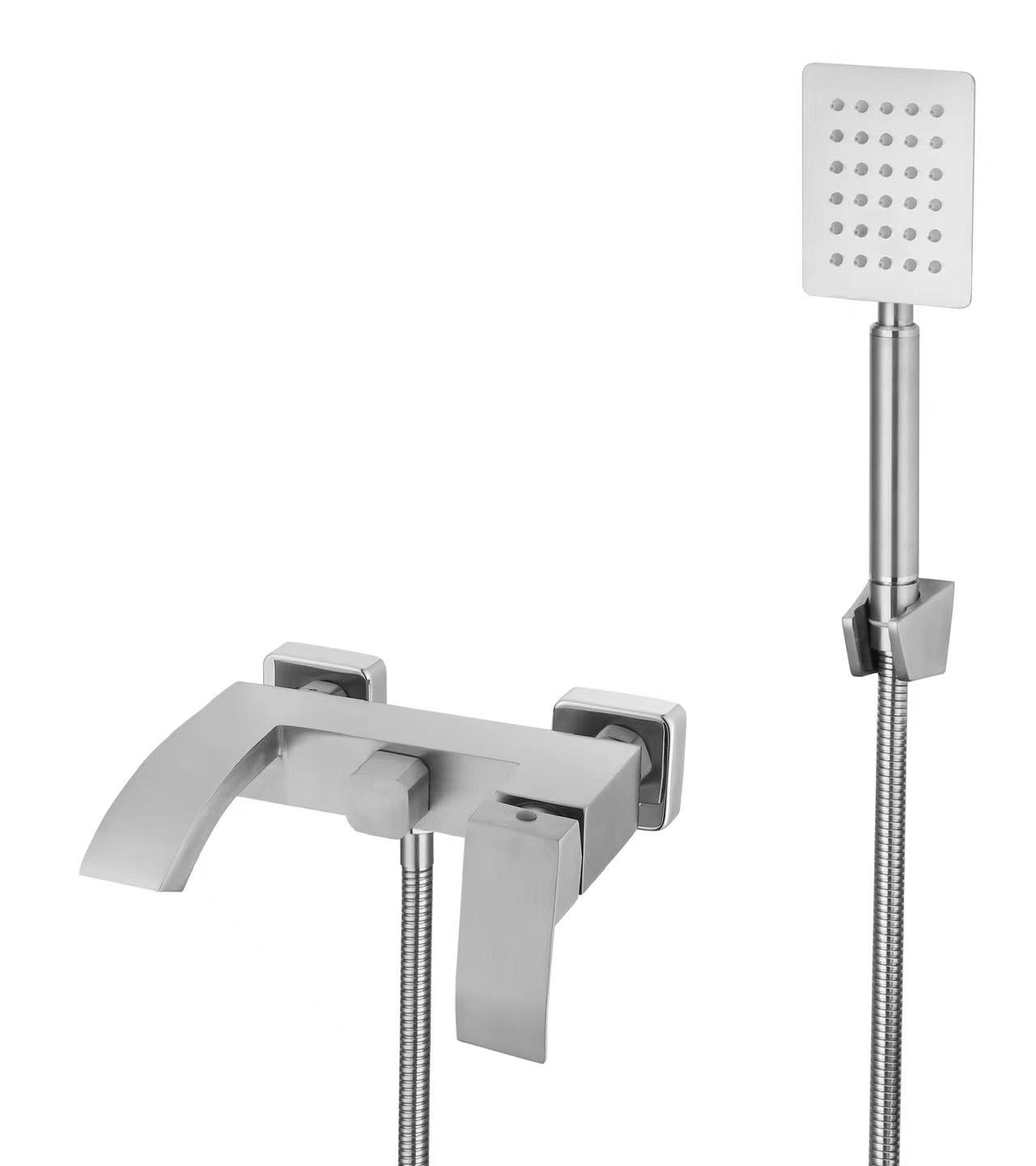
Before starting any repair, it’s crucial to determine where the leak is coming from and what’s causing it. Shower faucets have several internal components that can wear down over time, each capable of causing drips or water seepage.
Worn-Out Cartridges or Washers: These parts regulate water flow and temperature. When seals inside them deteriorate, they allow water to pass through even when the faucet is turned off.
Corroded Valve Seats: The valve seat connects the faucet to the spout. Corrosion or mineral buildup here can prevent a watertight seal.
Loose or Damaged O-Rings: O-rings sit around valve stems to prevent leaks at the handle base. Over time, they may harden or crack.
Mineral Deposits: Hard water can leave calcium buildup inside the faucet, causing blockages and irregular sealing.
Improper Installation: Sometimes leaks result from poorly tightened connections or mismatched components.
FUJIA shower faucets are built with high-grade ceramic cartridges that resist corrosion and limescale buildup, significantly reducing leak risks. However, even premium faucets can develop leaks after long-term use due to water conditions or mechanical wear.
| Leak Source | Likely Problem | Common Fix |
|---|---|---|
| Drip from spout | Worn cartridge or washer | Replace cartridge |
| Leak from handle | Damaged O-ring | Replace O-ring |
| Constant running | Corroded valve seat | Clean or replace valve |
| Uneven water flow | Mineral blockage | Descale faucet |
Understanding the source helps you choose the right repair method and avoid unnecessary disassembly.
Before you start repairing the leak, make sure you have the necessary tools and materials ready. Proper preparation ensures the process is clean, efficient, and free from damage to your faucet or bathroom fixtures.
Adjustable wrench or basin wrench
Phillips and flathead screwdrivers
Allen key (for handle set screws)
Replacement parts (cartridge, O-rings, washers)
Plumber’s grease
Vinegar or descaling solution
Towels and small container for parts
Thread seal tape (Teflon tape)
Turn Off the Water Supply: Locate the shutoff valves behind or below your shower wall. If your shower doesn’t have dedicated valves, turn off the main household supply.
Drain Remaining Water: Turn on the faucet to release any water left in the pipes. This prevents spills when disassembling.
Cover the Drain: Use a small rag or stopper to prevent screws or small parts from falling into the drain.
Organize Components: Keep removed parts in sequence or take photos during disassembly to make reassembly easier.
FUJIA shower faucets are engineered for easy maintenance, with standardized cartridges and accessible handle designs. This makes part replacement simple without requiring professional plumbing assistance.
With tools and workspace prepared, you can move on to diagnosing and fixing the problem.
The repair process begins by carefully removing the handle and internal components of the faucet. The method varies slightly depending on the faucet type — single-handle or dual-handle.
Use an Allen wrench or screwdriver to loosen the set screw under or behind the handle.
Gently pull the handle off the stem. If it’s stuck due to mineral deposits, apply a few drops of vinegar and wait a few minutes before trying again.
Once the handle is off, you’ll see a trim plate or escutcheon (the decorative cover around the faucet). Unscrew and remove it.
Behind the plate lies the cartridge housing or valve assembly. Use a wrench to unscrew the retaining nut and carefully pull out the cartridge.
Examine the cartridge, O-rings, and washers for visible wear, cracks, or mineral buildup.
If the cartridge looks damaged, it’s best to replace it rather than attempt cleaning.
Clean internal surfaces with vinegar to remove any calcium deposits.
FUJIA’s advanced cartridge system uses precision-engineered ceramic discs that resist wear, ensuring smoother rotation and fewer leaks compared to traditional rubber-based designs. If your faucet uses a FUJIA model, the replacement process is straightforward — simply insert the new cartridge and reassemble.
Take your time during this step to avoid scratching or damaging the finish of the handle or trim plate.
Once the faucet is disassembled and inspected, identify which component needs replacing. Most leaks originate from worn-out cartridges or damaged seals, both of which are inexpensive and easy to replace.
Purchase a replacement cartridge that matches your faucet’s model. Always bring the old one to the store for comparison.
Apply plumber’s grease to the O-rings on the new cartridge.
Insert it into the valve body, ensuring correct orientation (align tabs or notches).
Secure it with the retaining nut, tightening it gently with a wrench.
Remove the old O-rings or washers using a small screwdriver.
Clean their seating areas thoroughly to remove debris.
Coat new O-rings with a thin layer of grease before installation to improve sealing.
Reassemble the faucet handle and trim components.
| Replacement Part | Material | Average Lifespan | Maintenance Tip |
|---|---|---|---|
| Cartridge | Ceramic / Brass | 10–15 years | Flush pipes regularly |
| O-Ring | Rubber / Silicone | 5–7 years | Apply plumber’s grease annually |
| Washer | Neoprene | 3–5 years | Replace at first sign of cracking |
FUJIA shower faucets are designed with modular internal structures, meaning replacement parts fit precisely without the need for cutting or special tools. This ease of repair ensures longer faucet life and sustainable water efficiency.
After replacing the faulty parts, reassemble the faucet by reversing the disassembly steps.
Once reassembled, it’s important to test the faucet thoroughly to ensure the repair is successful and the leak has been eliminated.
Turn on the main water supply.
Slowly open the shower faucet and check for drips around the spout, handle, and connections.
Run both hot and cold water to confirm the new cartridge seals correctly.
If leaks persist, recheck the cartridge alignment or tighten fittings gently.
Clean Aerators and Showerheads Regularly: Mineral deposits can increase internal pressure and stress seals.
Operate Handles Smoothly: Forcing handles too hard can damage cartridges and seals.
Inspect Annually: A quick visual check for moisture around handles can help catch leaks early.
Use Quality Parts: Cheap replacement parts often wear faster and lead to repeated issues.
At FUJIA, all shower faucets are designed for long-term reliability and easy maintenance. Our ceramic cartridge technology prevents internal wear, while anti-corrosion finishes protect against humidity and limescale — common causes of leaks in lesser-quality faucets.
Regular cleaning and careful operation can help your faucet maintain peak performance for years.
Most shower faucet leaks can be repaired at home, but some cases require professional attention — especially when leaks occur inside the wall or involve complex plumbing systems.
Water Dripping Behind the Wall: This may indicate a damaged pipe or valve body.
Persistent Leaks After Replacement: If you’ve replaced all seals and cartridges and the leak continues, a deeper mechanical issue may exist.
Corroded Plumbing Connections: Old or rusted fittings may need replacement by a licensed plumber.
While small leaks are easy to fix, neglecting them can lead to hidden water damage and costly repairs.
Choosing a well-engineered faucet from the beginning is the best defense against leaks. Inferior faucets often use low-grade materials that degrade quickly, while premium models — like those from FUJIA — are tested for pressure resistance, corrosion protection, and cycle endurance.
Our FUJIA shower faucets feature:
Solid brass construction for strength and stability.
Precision ceramic cartridges tested for over 500,000 cycles.
Chrome or matte finishes that resist corrosion and mineral buildup.
By investing in quality hardware, you not only reduce maintenance needs but also ensure a better shower experience — one that remains smooth, efficient, and leak-free for years to come.
Fixing a leaky shower faucet is a straightforward task once you understand its components and causes. With a few tools and replacement parts, you can stop the drip, conserve water, and restore your faucet’s original performance.
The key to long-lasting results lies in choosing high-quality fixtures and performing routine maintenance. FUJIA shower faucets are designed with precision-engineered cartridges, durable finishes, and modular components that make both installation and repair effortless.
Explore our full collection at FUJIA Shower Faucet and experience how thoughtful engineering can turn everyday maintenance into lasting comfort and sustainability.
Previous: How To Choose Shower Faucets
 Mobile Phone:
 Contact Now