

A pull down kitchen faucet is one of the most frequently used tools in any modern kitchen. From rinsing vegetables to washing dishes, the spray head handles constant water flow and contact with soap, grease, and minerals. Over time, these elements accumulate inside the nozzle and aerator, resulting in reduced pressure, uneven spray patterns, or clogged outlets. Cleaning the spray head regularly is essential to preserving its performance.
High-quality faucets—such as the pull-down models from FUJIA, designed with smooth retractable hoses and anti-mineral silicone nozzles—require less effort to maintain and offer long-lasting performance. You can explore them here: FUJIA Pull Down Kitchen Faucets.
The following guide explains how to clean a pull down spray head thoroughly and safely, with clear steps and practical tips suitable for both daily users and homeowners who want long-term efficiency.
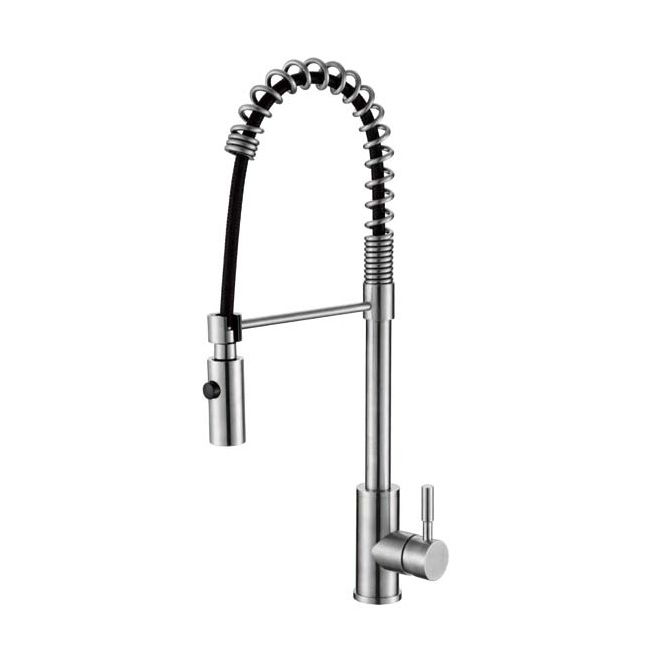
Pull down kitchen faucets are exposed to more debris than most household fixtures. Because the spray head is used for rinsing food, cleaning utensils, and dealing with oily surfaces, the nozzle area collects a mixture of mineral scale and organic residue. Hard water is one of the biggest contributors to buildup. When water evaporates, minerals such as calcium and magnesium form tiny deposits inside the spray plate.
Organic residue plays a major role as well. Grease particles from cooking splash into the spray head, and soap ingredients solidify as thin layers around the nozzle. Over time, these impurities restrict water flow and interfere with switching between spray modes.
The main symptoms of a dirty spray head include:
Weak or inconsistent pressure
Water spraying sideways
Delay when switching between stream and spray
Nozzles dripping or clogged
Hose retracting slowly due to internal buildup
FUJIA spray heads are designed with flexible nozzles to minimize blockage, but consistent cleaning helps sustain optimal water performance.
Before cleaning the spray head, gathering the right tools simplifies the process and prevents accidental damage. Most pull-down spray heads can be fully cleaned without needing specialized materials. However, understanding whether your faucet has a removable aerator or a built-in flow regulator helps determine the best cleaning method.
Soft microfiber cloth
Small bowl or container for soaking
White vinegar or citric acid solution
Old toothbrush
Silicone nozzle cleaning brush (optional)
Adjustable wrench (only if needed, avoid over-tightening)
Small needle or nozzle pin
Warm water
Some spray heads, especially those found in FUJIA’s collection, feature a removable aerator disk. Others have built-in anti-clog structures that do not require disassembly. Identifying which type you have determines whether cleaning needs to be done externally only, or internally as well.
A quick check:
If the spray head has a rubber button or multiple spray modes, it likely includes internal channels that benefit from soaking.
If the spray plate has flexible silicone nozzles, rubbing them gently removes most surface-level deposits.
If water pressure is significantly reduced, deeper internal cleaning is often required.
Even without disassembling the spray head, exterior cleaning plays a crucial role in restoring water performance. Mineral deposits often collect at the nozzle tips and can be removed with gentle treatment.
Start by wiping the spray head surface with a damp cloth. Stainless steel and brushed finishes, such as those used in FUJIA faucets, require mild cleaning agents to avoid scratching. Avoid abrasive scrubbing pads or strong chemical cleaners.
Most modern spray heads have soft silicone nozzles designed for easy cleaning. These nozzles bend slightly when rubbed, helping release mineral particles trapped inside.
Steps:
Rub each nozzle with your thumb in a circular motion.
Use a soft brush to clean around the corners of the spray plate.
Rinse with warm water to flush out loosened residue.
For users with hard water, frequent cleaning of nozzle surfaces prevents larger mineral formations over time.
To make maintenance easier, the table below summarizes different surface types and recommended care methods:
| Spray Head Material | Cleaning Method | What to Avoid |
|---|---|---|
| Stainless Steel | Soft cloth + warm water | Steel wool, acidic cleaners |
| Chrome Finish | Mild soap solution | Abrasive pads |
| Matte/Brushed Finish | Microfiber cloth | Strong chemical descalers |
| Silicone Nozzles | Hand-rubbing + warm rinse | Sharp tools or needles |
This exterior treatment improves spray consistency but deeper cleaning may still be necessary if internal components have buildup.
For more thorough cleaning, soaking the spray head in vinegar helps dissolve stubborn mineral deposits inside the spray channels. This method is especially effective for households with hard water. Vinegar contains acetic acid, which reacts with calcium and magnesium to soften and remove scale.
Unscrew the spray head from the hose.
Fill a bowl with equal parts vinegar and warm water.
Submerge the spray head completely.
Let it soak for 30 to 60 minutes.
Scrub the nozzle area gently using a toothbrush.
Rinse thoroughly before reattaching.
Fill a zip-top bag with vinegar solution.
Wrap the bag around the spray head and secure it with a rubber band.
Keep the spray plate submerged for 20–45 minutes.
Remove the bag and rinse with warm water.
For FUJIA pull-down faucets, the internal channel design allows vinegar to reach mineral pockets effectively, making the soaking method especially beneficial.
During deep cleaning, avoid soaking the spray head overnight, as prolonged exposure to strong acidity may damage delicate components such as O-rings.
The aerator is the circular mesh screen located inside the spray head. It mixes air into the water stream to provide a smoother flow and reduce water usage. Over months of use, sediment, sand, or rust particles from the plumbing system can accumulate in the aerator.
Unscrew the aerator housing using your fingers or a soft wrench.
Remove the mesh screen carefully.
Rinse it under warm running water.
Use a soft brush to scrub away debris.
If heavily clogged, soak it in vinegar for 10–15 minutes.
Reassemble the aerator and reinstall it in the spray head.
For multi-function spray heads with toggle switches, internal components may also trap debris. Cleaning them ensures smoother mode switching (stream, spray, pause). Always reassemble parts gently to avoid stripping threads.
FUJIA’s aerators are typically made with high-quality stainless steel mesh and durable plastic frames, making them resistant to deformation during cleaning.
After restoring the spray head, maintaining it regularly keeps it working smoothly. Preventive care also extends the lifespan of the faucet and reduces the need for deep cleaning sessions.
Here are recommended long-term habits:
Weekly maintenance: rub silicone nozzles to prevent early deposits.
Monthly wipe-down: clean the spray head surface with mild soap.
Seasonal deep cleaning: soak the spray head every 2–3 months.
Check the hose movement: ensure the pull-down function retracts smoothly without friction.
Avoid harsh cleaners: they may wear out the finish or weaken the internal seals.
Using a high-quality faucet—like the ones in the Pull Down Kitchen Faucet Collection—helps reduce buildup thanks to smoother internal water channels and durable nozzle materials. However, even the best faucet performs better with proper care.
A clean pull down kitchen faucet spray head restores strong water pressure, improves spray patterns, and makes daily kitchen tasks more efficient. With regular maintenance and occasional deep cleaning, the spray head remains free of mineral deposits and organic buildup. Whether your kitchen handles heavy cooking or light daily use, consistent care keeps the faucet working smoothly for years.
By choosing a high-quality faucet system—such as those offered by FUJIA, engineered for durability and easy maintenance—you ensure better performance and longer service life. Explore the collection here to upgrade your kitchen experience: Pull Down Kitchen Faucets.
Previous: Are All Shower Faucets The Same Size?
Next: What Is A Shower Faucet?
 Mobile Phone:
 Contact Now