

Many people assume shower faucets come in universal sizes, but when you look closely at how valves, connections, trims, and installation depths differ, it becomes clear that shower faucet sizing is more complex. While certain plumbing standards exist to promote compatibility, manufacturers design their products with variations based on water pressure needs, material thickness, valve technology, and aesthetic preferences.
Maybe two faucets that look very similar are not fit the same installation space at all. When choosing a shower faucet, understanding where sizes are standard and where differences occur can prevent costly adjustments during installation. For homeowners looking for solutions that fit most bathrooms smoothly, the FUJIA shower faucet collection integrates widely accepted inlet sizes with carefully engineered valve bodies, balancing compatibility with performance and durability.
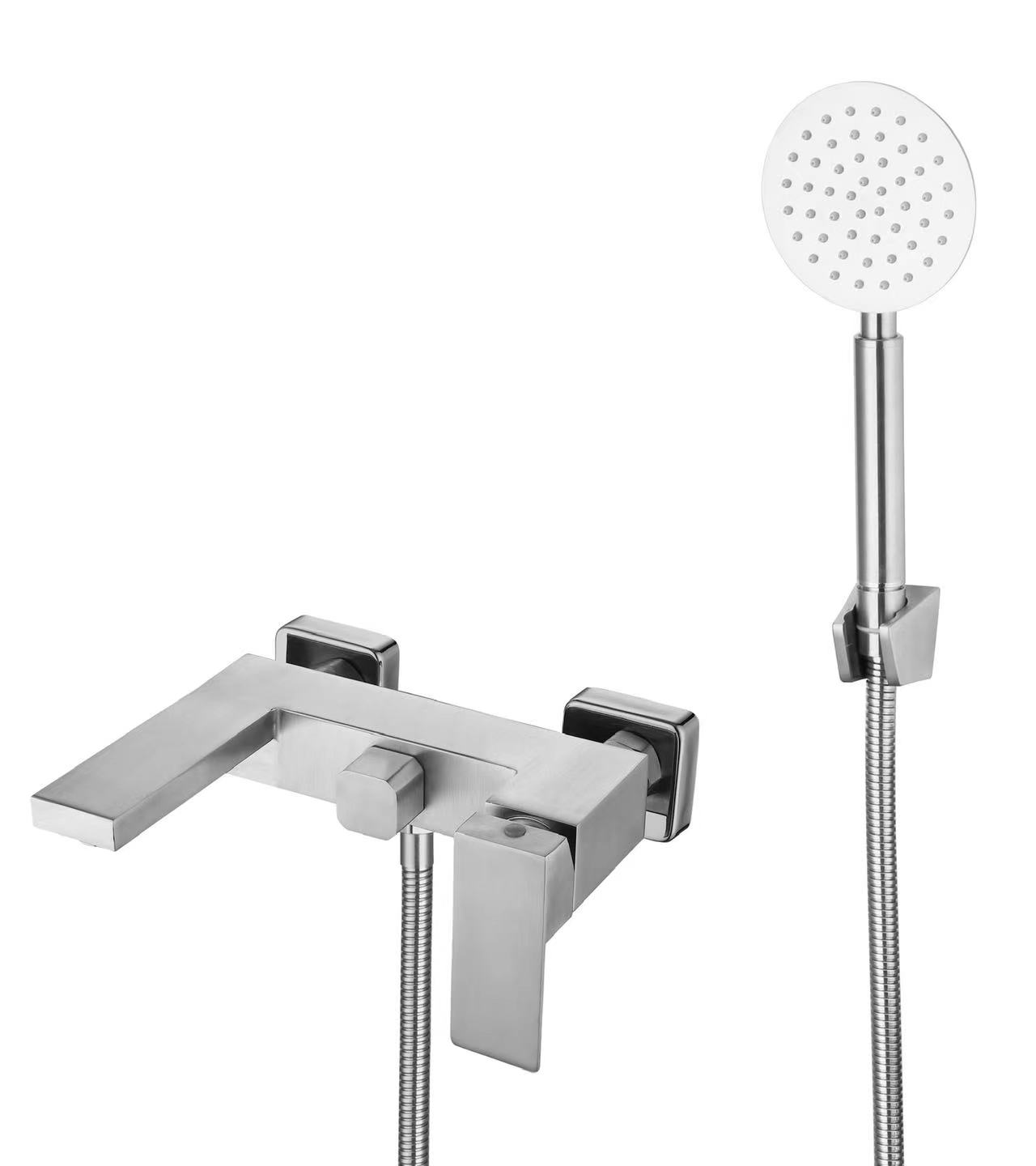
Although shower faucets vary, some dimensions remain consistent across most manufacturers. These standardized areas exist mainly to ensure plumbing safety and allow basic interchangeability between brands.
The most common shared dimensions include:
Inlet pipe size:Most regions use 1/2-inch connections (NPT or BSP), allowing faucets to connect easily to existing plumbing.
Wall opening requirement:Many valve bodies fit within a typical 10–12 cm cavity depth, giving installers enough space to adjust position.
Shower arm threads:Showerhead arms often follow universal threading so that different heads can be attached.
However, even these standardized elements have subtle differences. Thread type varies by region, rough-in depths differ by manufacturer, and trim alignment depends on the valve design. FUJIA shower faucets are designed around the most widely used connection sizes but offer better structural consistency in the valve body, reducing the risk of unexpected incompatibility during installation.
Behind the wall is where most size differences occur. The rough-in valve, responsible for mixing hot and cold water, is the component installers must match correctly. Its size determines how far the trim and handle will extend from the finished wall.
Factors that cause variation include:
Different valve technologies
Pressure-balancing valves, thermostatic valves, and basic mixing valves all require different internal chambers.
Wall thickness and construction
Thicker tile layers or prefabricated shower panels change how far the valve should sit.
Manufacturer-specific valve shapes
Even slight differences in the valve body's height or width affect alignment with the trim.
If a replacement valve does not match the depth of the original, the installer may need to add extension kits or adjust the plumbing. This is why the valve trims from one brand rarely match another brand’s valve body. FUJIA designs its shower faucet valves with a flexible installation range, reducing sensitivity to wall thickness variations and making replacement easier.
While hidden components differ, visible shower faucet parts show even more variation. Trim plates (escutcheons) often reflect each brand’s design language, which means their height, width, and curve depth can vary significantly. A trim that is too small may not cover the existing cutout in the shower wall, while a trim that is too large can overwhelm compact shower spaces.
Common variations include:
Trim plate diameter or shape
Round, square, rectangular, or offset shapes each require different wall cover space.
Handle length and rotation range
Long handles need additional clearance; compact handles suit smaller bathrooms.
Shower arm length
Arms can range from short 15 cm designs to extended 30–40 cm ones that reposition the showerhead overhead.
FUJIA considers these ergonomic and aesthetic differences when designing shower faucets, ensuring the trims provide generous coverage without excessive bulk, and handles remain comfortable for both small and large bathrooms. This balance makes FUJIA faucets easier to adapt to different wall conditions.
Regional standards have a significant impact on shower faucet sizing. Even when two products share the same nominal pipe size, the thread type and angle may differ.
Below is a comparison of common standards:
| Region | Common Thread Type | Notes |
|---|---|---|
| North America | 1/2" NPT | Tapered thread; not compatible with BSP |
| Europe | 1/2" BSP | Straight thread; needs washer seal |
| Australia | BSP variants | Similar to EU but different certification rules |
| Asia | Mixed standards | NPT and BSP both in use depending on building age |
A homeowner buying a faucet without checking the thread type may find the component does not connect securely to the plumbing. FUJIA products are manufactured using widely accepted standards and offer model compatibility based on customer region, ensuring the faucet fits local plumbing safely and securely.
Shower faucets differ in size based on the system configuration. A single-function shower, which offers simple hot–cold mixing and one output, is very compact. Meanwhile, multi-function systems require additional internal channels, ports, and diverter units.
Examples of functional variations include:
single-handle mixers:Smallest valve size, simplest installation.
Dual-handle systems:Separate cartridges for hot and cold water.
Thermostatic valves:Thicker bodies to house temperature-control elements.
Systems with diverters:Need extra chambers to split water between showerhead, handheld, or body sprays.
These functional demands alter how large the valve must be and how much space is required behind the wall. In more advanced shower systems, compatibility becomes even more restricted because the valve and trim must match precisely. FUJIA offers complete shower faucet kits where valves and trims are engineered together, ensuring all parts align dimensionally while providing strong water flow control and safe temperature management.
Since not all shower faucets are the same size, choosing the right one requires considering both the existing installation and the faucet design. Homeowners should check valve depth, trim coverage area, thread type, and any functional requirements.
Effective selection involves:
Matching inlet size (1/2" NPT or BSP)
Verifying rough-in valve compatibility
Ensuring the trim plate covers the wall opening
Allowing proper handle clearance
Choosing systems designed for the local plumbing standard
Considering future upgrade paths
By selecting a faucet with adaptable features, such as those in the FUJIA shower faucet series, homeowners can minimize installation challenges. FUJIA faucets are built to match common plumbing dimensions while incorporating consistent valve engineering and robust trim plate coverage. This results in dependable compatibility even when replacing older fixtures.
Shower faucets are not all the same size. While some elements follow universal standards, major differences exist in valve depth, trim plate dimensions, thread types, and system functionality. Knowing these distinctions helps ensure proper installation and long-term reliability. A well-designed shower faucet, such as those offered in the FUJIA product range, combines practical compatibility with refined engineering, making it suitable for various bathroom layouts and plumbing systems. By understanding how shower faucet sizes differ, homeowners can confidently choose the right model for their bathroom without unexpected complications.
 Mobile Phone:
 Contact Now