

Replacing a shower faucet is one of the most impactful upgrades you can make in a bathroom. Whether you want a more modern style, smoother operation, or improved water efficiency, installing a new faucet can significantly enhance your daily shower experience. While the process requires careful handling of plumbing components, it is manageable with proper preparation and understanding of the faucet’s structure. Before beginning, it is essential to identify the type of valve system installed behind your wall, determine the trim configuration, and confirm compatibility with the new faucet.
A high-quality replacement, such as the options in the FUJIA shower faucet collection, provides stable installation dimensions, durable internal components, and well-designed trims that simplify the upgrading process. With the right approach, changing a shower faucet becomes a smooth and rewarding project.
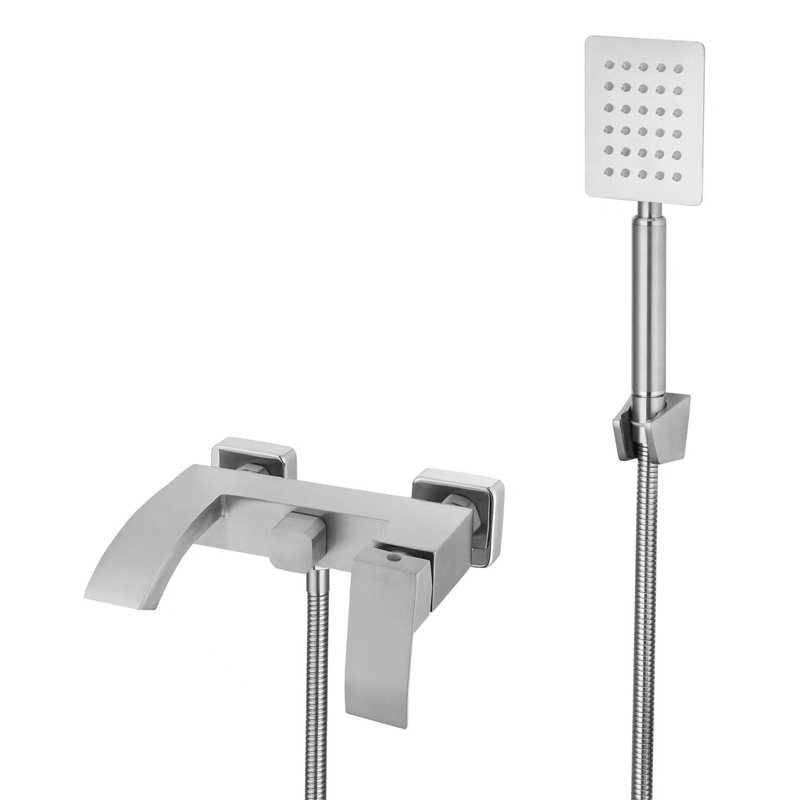
Preparation is the foundation of a successful faucet change. Begin by identifying the type of shower faucet you currently have—single-handle mixer, dual-handle system, or a thermostatic unit. Each operates differently and requires a corresponding replacement to ensure compatibility with your plumbing system. Before removing anything, locate the main water shut-off valve. Turning it off prevents accidental leaks during the replacement process.
Next, inspect the trim to determine how it is attached. Some trims use exposed screws, while others include hidden fasteners beneath decorative caps. Understanding how the trim comes apart prevents damage to the wall or underlying plumbing. Taking a picture of the faucet assembly before disassembly can help guide the reinstallation process.
Finally, measure the rough-in depth and valve spacing. These measurements are essential for choosing a faucet that fits properly. One advantage of FUJIA shower faucets is their adaptable installation range, designed to align with standard plumbing depths and reduce the need for structural modification. With these preparations complete, you can move forward confidently.
The first visible components to remove are the handle and trim. Begin by gently prying off any decorative caps that conceal screws. Once exposed, loosen the screws holding the handle in place. Some faucets may have handles that slide off easily, while others require gentle wiggling to release mineral build-up around the stem.
After removing the handle, take off the trim plate that covers the hole in the wall. This plate is usually held by two mounting screws. Carefully remove the plate to expose the valve body within the wall cavity. Take note of any sealant or waterproofing material around the trim plate. When installing the new faucet, the area must be resealed to prevent moisture infiltration behind the wall. FUJIA trims are designed with wide coverage plates that help conceal imperfections or enlarged wall openings during replacement, providing a cleaner finish.
Depending on the faucet type, you may also need to remove an adapter sleeve or temperature limit stop. Keep these parts organized, as they may help you understand how the old valve was configured. Proper removal ensures the valve body is accessible for the next steps.
The valve is the heart of the shower faucet, responsible for mixing hot and cold water and regulating flow. Once the trim is removed, examine the valve body to determine whether it must be replaced or can remain in place with a new trim kit. Some manufacturers’ trims are compatible only with their own valve designs, and replacing the valve may require opening part of the wall.
If the valve shows signs of corrosion, leakage, or malfunction, replacing it is recommended. This involves cutting away a small section of the wall behind the valve, typically accessible from a closet or adjacent room. After exposing the valve, disconnect the water lines using a wrench or tubing cutter, depending on your pipe material (copper, PEX, or galvanized steel).
FUJIA shower faucet kits include matched valve bodies and trims, ensuring consistent fitment and eliminating guesswork. Their robust construction and standard inlet spacing make them easier to install in both new construction and renovation applications.
When evaluating the valve, check for the following:
Mineral deposits around the mixing chamber
Loose or worn stem components
Signs of leakage behind the wall
Inconsistent water temperature or pressure
Replacing a compromised valve ensures long-term reliability and smoother faucet operation.
Once the old valve is removed, position the new valve according to the manufacturer’s installation guide. Ensure the valve is level and at the correct depth from the wall surface. Proper positioning ensures that the trim and handle sit flush after installation.
Connect water supply lines to the new valve. Depending on the plumbing system, connections may require soldering, compression fittings, or push-fit connectors. Make sure the hot and cold lines are attached to their correct inlets; reversing these lines can cause improper temperature control. FUJIA valves include clearly marked ports and reinforced threaded inlets to guide accurate installation.
When working with copper pipes, ensure all solder joints are clean and fully sealed. For PEX systems, use approved crimp or expansion fittings. Once all connections are secure, gradually restore water pressure and check for leaks. Any small drip must be corrected before closing the wall to prevent structural damage.
After verifying leak-free operation, reapply waterproof backing, insulation, or vapor barrier materials around the valve cavity as needed. A properly sealed cavity protects the valve and maintains the bathroom’s moisture resistance.
With the valve installed and tested, it is time to reassemble the visible faucet components. Start by attaching the trim plate, ensuring it sits flush against the wall. Use sealant where required to prevent water from seeping behind the wall. FUJIA trim plates are designed with balanced proportions and generous wall coverage, making them particularly suitable for renovation projects where the wall opening may not be perfectly uniform.
Attach the handle according to the specific faucet model. For single-handle systems, make sure the handle rotates smoothly and aligns with the hot–cold markers. For dual-handle faucets, check that each handle controls its respective water line without stiffness.
If your faucet includes a diverter for switching water flow between a showerhead and handheld sprayer, test the diverter’s operation now. Proper function ensures that each output receives consistent pressure. FUJIA’s diverter-equipped models are engineered to maintain stable pressure balance even when multiple fixtures share the same water supply.
Finally, reinstall any decorative caps and clean the faucet surface. Avoid harsh cleaners during the first cleaning, as they may affect new sealant or trim finish.
Once everything is assembled, turn on the water supply fully and run the faucet to ensure proper function. Test the mixing range to confirm smooth transitions between hot and cold. Observe how quickly the water adjusts to the desired temperature and whether there are any pressure fluctuations.
Check for leaks around the trim and valve area, paying attention to signs of moisture where the trim meets the wall. If you used sealant, confirm it has formed a watertight barrier. Ensure the handle movement feels natural and aligned with the intended settings. FUJIA’s precision-engineered cartridges provide smooth movement and reliable temperature control, enhancing comfort and ease of use.
To maintain long-term performance, follow these recommendations:
Inspect trim and valve annually for signs of moisture.
Clean mineral buildup gently with mild soap instead of strong chemicals.
Keep the handle’s movement free of debris or soap residue.
Flush the valve occasionally to remove sediment from the mixing chamber.
Quality faucets, such as those from FUJIA, include durable cartridges, corrosion-resistant trims, and carefully machined valve bodies, reducing the likelihood of problems over time. With proper maintenance, your newly installed shower faucet will continue to deliver comfort, water efficiency, and aesthetic appeal for years to come.
Changing a shower faucet involves understanding your current system, removing the old components carefully, and installing a new valve and trim with attention to detail. Although the process requires patience, the improvement in performance and appearance makes it worthwhile. Choosing a faucet designed with consistent installation dimensions—like the models available in the FUJIA shower faucet series—provides smoother installation and long-lasting reliability. By following a structured approach and selecting a quality faucet, homeowners can achieve a refreshed, efficient, and beautifully functioning shower with confidence.
Previous: Are Waterfall Faucets Good?
 Mobile Phone:
 Contact Now