

Removing a drinking water faucet may seem complicated at first glance, but the actual process becomes very manageable once you understand how these faucets are installed, how they function, and what steps are required to safely detach them. This article offers a complete guide for homeowners or installers who need to remove an old, damaged, or upgraded Drinking Water Faucet from their sink. The goal is to help you accomplish the task efficiently while avoiding unnecessary damage to your countertop, water filtration system, or other surrounding components. Throughout the explanation, we will also reference the advantages of high-quality faucets such as the ones provided by FUJIA, including our modern and durable drinking water faucet.
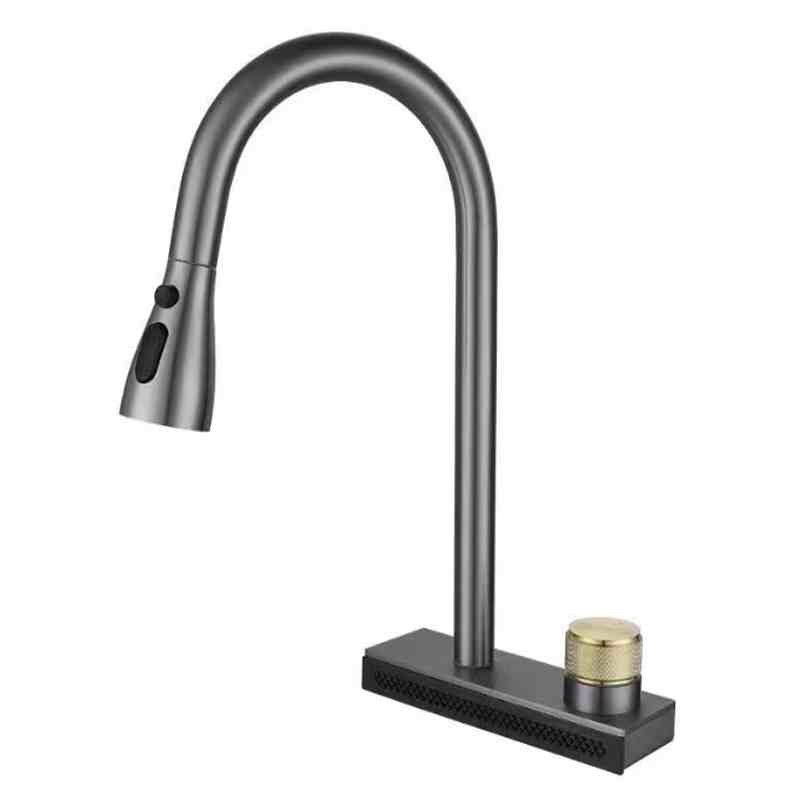
A drinking water faucet is a small, independent tap usually mounted next to the main kitchen faucet. It is designed to dispense purified water that comes from under-sink filtration equipment such as RO systems, carbon filters, or alkaline mineralizing filters. Unlike standard faucets, drinking water faucets feature a simplified internal structure, narrower tubing, and low-pressure flow optimized for filtered water delivery.
Its main purpose is to provide clean, great-tasting drinking water on demand without mixing with regular tap water. For this reason, these faucets are often chosen for kitchens, home bars, offices, hotels, and public facilities that require a steady supply of purified water. FUJIA’s drinking water faucets are widely used for these settings due to their corrosion resistance, durable stainless steel construction, and precise flow control suitable for filtration systems.
Understanding how the faucet is built helps make the removal process clearer. Most drinking water faucets consist of:
A mounting shank that passes through the countertop.
A base plate or gasket that seals the fixture.
A quick-connect or threaded water line connection underneath.
Fastening hardware such as a lock nut or mounting bracket.
Knowing these components in advance prepares you for a smooth removal.
People remove drinking water faucets for several reasons. Many choose to upgrade to a more modern faucet with a better aesthetic or improved water flow, such as FUJIA’s elegant stainless steel designs. Others may have leaks caused by worn O-rings or internal corrosion, making replacement the most practical solution. In some cases, the filtration system is being replaced or relocated, which requires disconnecting the faucet entirely.
Additionally, countertops are frequently upgraded to quartz, granite, or stainless steel surfaces, and the faucet must be removed before installation. Whatever the reason, proper removal ensures that no damage occurs during the renovation or replacement process and that the filtration system remains undisturbed.
Below is a complete breakdown of the faucet removal process. Each step is presented clearly so you can follow it with confidence even if you have little plumbing experience.
Before touching any connection, the water supply feeding the drinking water faucet must be turned off. Most under-sink filtration systems include a small shut-off valve located on the cold-water feed line. Twist the valve clockwise until fully closed. If there is no dedicated valve, close the main cold-water supply to the sink.
After turning off the valve, open the drinking water faucet at the top to remove any remaining pressure inside the tubing. This prevents unexpected splashes and makes the removal process safer and cleaner.
Locate the small tubing connected to the base of the faucet’s mounting shank. Depending on your faucet model, the connection may use:
A push-fit (quick-connect) connector
A compression nut
A threaded adapter
A barbed fitting with a clamp
For push-fit connectors, press the retaining ring and pull the tubing out.
For compression or threaded connectors, use a wrench to loosen the nut counterclockwise.
Once the tubing is free, you will see the mounting hardware holding the faucet in place. It is usually a long nut, a horseshoe-shaped bracket, or a combination of both. Use a basin wrench or adjustable wrench to loosen the hardware. Continue turning until the nut is completely removed.
Return to the top of the sink and gently lift the drinking water faucet straight upward. The faucet should slide out without resistance. If the gasket has adhered to the surface, gently twist the faucet to break the seal before lifting.
After removal, inspect the hole for residue, mineral deposits, or sealant buildup. Cleaning the area ensures that the replacement faucet (such as a FUJIA stainless steel model) fits cleanly and seals properly.
Although the removal process is simple, several challenges may arise depending on installation age and materials. The following precautions help prevent complications.
Mineral buildup can cause the faucet base to stick to the countertop. Applying a gentle citric acid cleaner around the base loosens deposits and prevents scratches during removal.
Space under the sink is limited. A basin wrench is essential for tight spaces, especially for older homes or sinks with deep basins.
Push-fit connectors can sometimes seize if used for many years. Pressing firmly on the release ring while pulling the tubing straight out usually resolves the issue.
Under-sink filtration tubing is thin and should not be sharply bent or twisted. Handle it gently, especially when reconnecting the system.
These precautions ensure that the removal does not inadvertently damage surrounding components, making the replacement process smooth and efficient.
Once the faucet is removed, it is essential to follow several after-care steps, particularly if you plan to install a new drinking water faucet.
Moisture or residue can interfere with gasket placement. A completely dry surface guarantees a proper seal for your new faucet.
If the tubing shows signs of brittleness, discoloration, or cracking, replacing it is recommended before reconnecting to a new faucet.
After removal, some filtration systems may need repressurizing or flushing. This ensures stable performance once the new faucet is installed.
Since removal already requires effort, many users upgrade to a premium faucet at the same time. FUJIA offers long-lasting stainless steel models designed for filtered water delivery, making them ideal replacements.
FUJIA drinking water faucets are designed with premium materials, corrosion-resistant finishes, and smooth, low-noise flow control. They pair perfectly with filtration systems and offer a clean, minimalistic look suitable for modern kitchens. Whether you choose matte black, brushed nickel, chrome, or gold finishes, FUJIA provides customization options to match diverse interior styles and installation requirements.
Removing a drinking water faucet is not as difficult as many homeowners assume. By understanding the faucet’s structure and following a clear step-by-step approach—turning off the water, disconnecting the tubing, loosening the mounting hardware, and lifting the faucet—you can complete the process efficiently and safely. With proper care, inspection, and preparation after removal, installing a new faucet becomes straightforward.
If you plan to upgrade your drinking water faucet, FUJIA provides reliable, stylish, and durable options that integrate seamlessly with most filtration systems. Explore our collection here: FUJIA Drinking Water Faucet.
A proper removal not only ensures safety but also provides the perfect opportunity to enhance your water-drinking experience with a better, longer-lasting faucet.
Previous: What Is A Drinking Water Faucet?
 Mobile Phone:
 Contact Now