

Installing a wall mount faucet may look intimidating at first glance, mainly because it requires working inside the wall and aligning the faucet precisely with the basin below. However, with the right preparation and a clear understanding of the installation steps, the process becomes much more manageable. This article explains how to install a wall mount faucet in a way that is practical, detailed, and useful for homeowners, renovators, and project contractors. It also integrates key considerations that apply to FUJIA’s wall-mounted basin faucet series, which offers stable structure, durable brass construction, and customizable installation configurations.
A wall mount faucet differs from a deck-mounted faucet because it is fixed directly onto the vertical surface instead of sitting on the countertop. This placement frees up counter space, creates a minimalist look, and introduces a more flexible height arrangement. Therefore, the installation method must ensure strong wall support, stable water connections, and accurate outlet alignment over the sink. The following content walks you through every essential step—from preparation to finishing touches—and offers practical advice to achieve a secure, long-lasting installation.
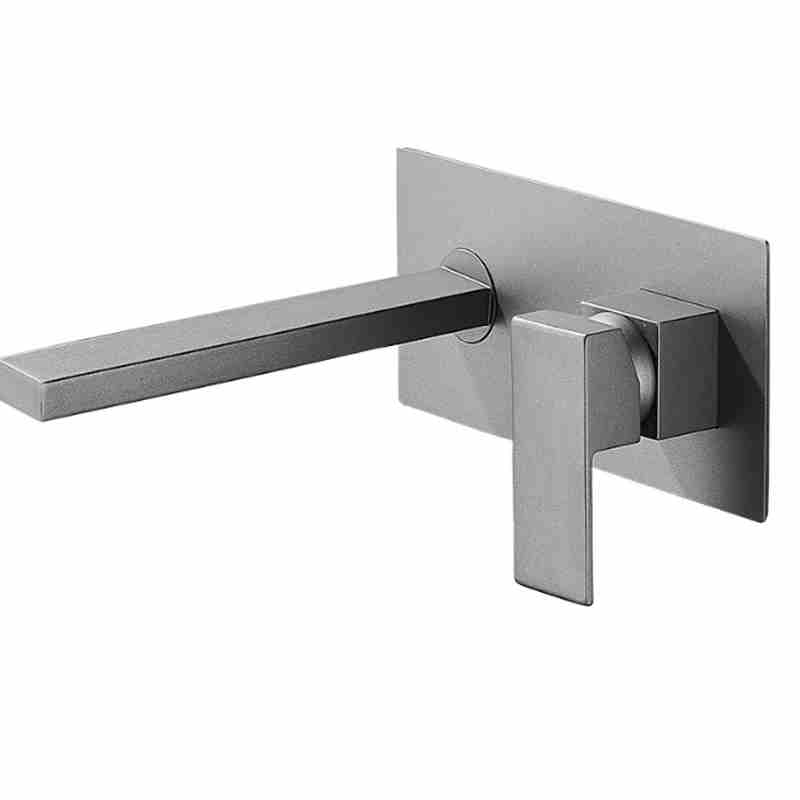
Before starting the installation, the most critical task is evaluating the wall and plumbing layout. A wall mount faucet must be supported by a stable internal structure, and the wall must contain accessible hot and cold water supply lines that can be positioned precisely where the faucet will be mounted.
Most FUJIA wall-mounted faucets are based on solid brass valve bodies, ensuring structural stability once anchored into the wall. Even so, correct preparation plays a decisive role in the overall quality of the installation.
Confirm the height of the faucet outlet
The ideal outlet height varies depending on the type of basin you use. Countertop basins usually require a higher installation point than under-counter basins. A typical mounting height is between 200–300 mm above the upper edge of the basin, but this may differ depending on basin depth and faucet style.
Check the wall structure
A solid wall—brick, concrete, or cement board reinforced framing—provides better support. Hollow partitions may require an internal support plate or additional wooden/metal reinforcement.
Pre-adjust the hot and cold water lines
Most wall mount faucets—including FUJIA’s models—require a standard installation spacing of 150 mm between hot and cold water outlets. The lines must be level in both horizontal and vertical directions to ensure perfect faucet alignment.
Shut off the water supply
This is a basic but essential step. Ensure both main valves are shut off to prevent leaks during pipe handling.
Below is a detailed walk-through of the installation process. To help you visualize the procedure more clearly, the steps are explained in extended paragraphs so you can understand not just the “how,” but also the “why” behind each action.
Begin by determining the exact location of the faucet. Hold the faucet body or installation template against the wall to find the ideal height and horizontal alignment. Ensure that the spout will extend to the center of the basin. With a level in hand, mark the hot and cold water outlet positions. This prevents misalignment later, especially important for FUJIA’s slim and minimalist spacer plates which visually emphasize straight lines. Precise marking at this stage minimizes future correction efforts.
Many wall-mounted faucets, including FUJIA’s models, come with a concealed brass valve body that must be placed inside the wall cavity. After cutting the opening along your markings, position the valve body so that its front edge aligns flush with the final finished wall surface. This ensures the trim plate will sit perfectly flat after tiling. Secure the valve body firmly to the interior structure using bracket screws, making sure it does not shift during tile installation.
Once the valve body is in place, connect the inlet pipes. Use PTFE thread seal tape on threaded areas to prevent future leaks. Tighten connections firmly but avoid excessive force that may damage the threads. This step is essential to the long-term stability of the faucet, especially because wall-mounted designs do not allow easy access once the wall is sealed.
When the valve body and pipes are secure, you may proceed with closing the wall. If you’re applying tiles, ensure the thickness around the valve body matches the specifications indicated in the product manual. For FUJIA faucets, the front edge of the embedded box is designed to accommodate slight tile variations, but accuracy is still key. After sealing, leave the protective cover in place to safeguard the internal valve or cartridge.
Once the wall finish is complete and fully dried, remove the protective cap. Slide the trim plate onto the valve, making sure it sits tightly against the wall surface. Then mount the faucet handle, water outlet, and decorative components. FUJIA wall mount faucets typically use high-density rubber seals inside the joint areas to prevent water seepage behind the plate. Check for stability and tighten the screws precisely.
Reopen the main water supply valve and test both hot and cold water flow. Inspect all connection points closely. If no leaks occur, allow the water to run briefly to flush out debris before final use. Adjust the handle and spout to ensure smooth operation.
Although the installation may seem straightforward once you understand the sequence, several important considerations ensure the faucet functions correctly and lasts longer.
Without strong wall support, movement over time may cause small but persistent leaks. Reinforcement may be necessary for hollow walls.
Even a 1–2 mm deviation in alignment can cause visible tilt in the trim plate or faucet body. Wall mount faucets highlight symmetry, so perfection is crucial.
If tiles vary too much from the design thickness, the faucet may look sunken or protruding. Adjustments should be done before sealing the wall.
Apply sealant around the trim plate to protect against moisture infiltration.
Once installed, the internal valve should never shift. Secure with brackets or supporting boards inside the wall.
FUJIA’s wall-mounted basin faucet series provides a wide range of flexible customization choices, allowing you to tailor the faucet to your interior style and practical needs.
| Customizable Option | Description |
|---|---|
| Finish Colors | brushed nickel, matte black, chrome, gunmetal, gold, white, custom combinations |
| Spout Length | Length can be customized to match basin layout or countertop projection |
| Handle Style | Minimalist single lever, cylindrical handle, or T-bar handle |
| Valve Type | Ceramic cartridge for smooth control and extended durability |
| Material Upgrades | Premium brass or customized thicker-walled valve body |
These options allow FUJIA products to adapt to different bathroom styles—from minimalist Nordic bathrooms to hotel-grade contemporary interiors.
Installing a wall mount faucet involves detailed preparation and precise execution, but with the correct guidance and stable materials, it becomes an achievable project for both professionals and experienced DIY users. Understanding each step—from marking installation height to embedding the valve body, sealing the wall, attaching the trim accessories, and finally testing the system—ensures a long-lasting and satisfying installation result.
FUJIA’s wall-mounted basin faucets provide structural stability, aesthetic versatility, and durable brass construction, making them ideal for both residential and commercial installations. With customizable spout lengths, finishes, and handle designs, they enhance the overall user experience while offering a clean, modern look. Once installed correctly, a wall mount faucet delivers excellent functionality, easier countertop cleaning, and a refined visual appeal that complements modern bathroom environments.
Previous: How Does An Angle Valve Work?
 Mobile Phone:
 Contact Now