

A kitchen sink is one of the most frequently used components in any household, and because it handles a mixture of food scraps, oils, cleaning chemicals, and water, it is also one of the plumbing fixtures most prone to clogging. When water begins to drain slowly—or stops draining altogether—it disrupts meal preparation, cleaning routines, and overall kitchen hygiene. Fortunately, most blockages can be cleared without replacing pipes or calling a technician, as long as the right method is chosen based on the cause and severity of the clog.
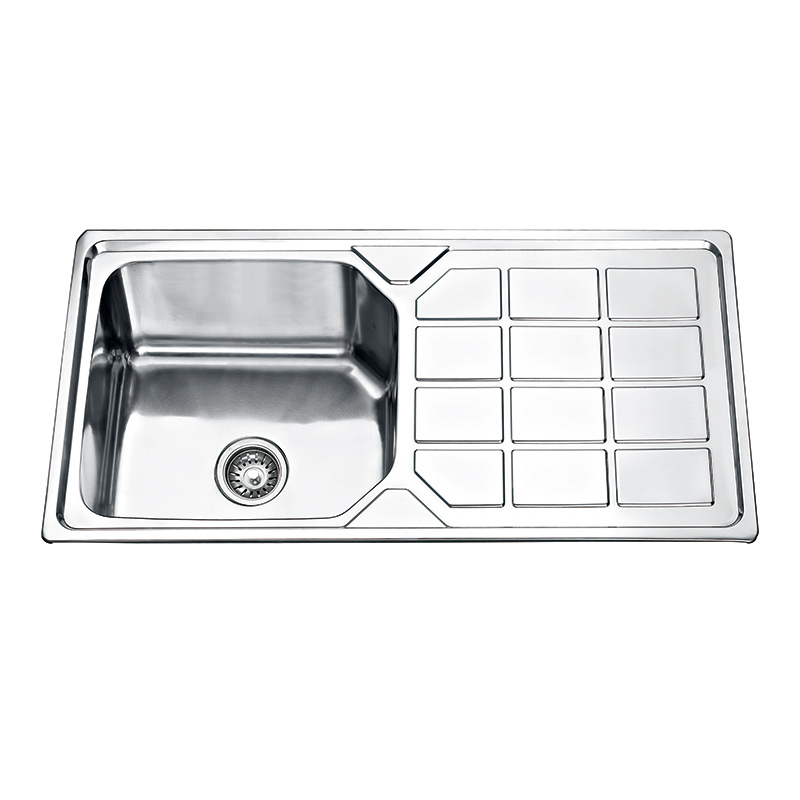
Modern sinks, such as FUJIA’s Kitchen Sink, provide smooth drainage channels and durable materials that resist buildup. Still, any system can become blocked if enough grease, starch, or debris accumulates. This article explains in detail how to diagnose, loosen, and remove clogs using progressively stronger methods—starting from basic hot-water flushing to mechanical and professional techniques—while ensuring your sink and pipes remain undamaged.
Understanding the root cause of the problem is the first step toward clearing it efficiently. A clog usually develops gradually, starting from thin layers of grease and food particles that coat the pipe walls. As additional materials pass through, they adhere to this sticky coating, forming a solid buildup. Over time, water struggles to move past the obstruction, resulting in slow drainage or complete blockage.
Some materials expand when exposed to moisture, while others congeal due to temperature change. The location of the clog—near the drain opening, inside the P-trap, or deep within the plumbing—affects how difficult it will be to remove.
| Cause | Description | Why It Becomes a Problem |
|---|---|---|
| Grease & Oils | Cooking oil, butter, animal fat | Hardens and captures food scraps |
| Starchy Foods | Rice, pasta, potatoes | Expands inside pipes |
| Coffee Grounds | Fine particles that clump | Forms dense sludge |
| Soap Scum | Binds with minerals | Creates sticky residue |
| Vegetable Fibers | Celery, onion skins | Wrap around bends |
| Foreign Objects | Plastic bits, wrappers | Cause complete obstruction |
Even the best-designed sink—like a FUJIA stainless-steel Kitchen Sink—depends on proper waste-handling habits to stay clog-free.
Before attempting any cleaning method, you must determine whether the issue is a soft blockage near the drain or a deeper obstruction. Observing behavior such as bubbling, gurgling, or water rising back can indicate where the problem lies.
This usually means minor buildup inside the pipe walls or early-stage grease accumulation.
A complete blockage has formed. Water has no path to move downward.
Water appearing in the opposite sink bowl indicates a clog in the shared drain line, not just one bowl.
Air is trapped behind the clog, suggesting blockage in the P-trap or deeper.
| Symptom | Likely Location | Severity |
|---|---|---|
| Slow drain | Near drain opening | Low |
| Water backs up into other bowl | Shared outlet pipe | Medium |
| Strong foul odor | P-trap buildup | Medium |
| Complete standstill water | Deep clog or heavy grease | High |
A properly engineered FUJIA Kitchen Sink allows easier identification of these symptoms because its drain geometry reduces unnecessary turbulence and surface obstructions.
If the clog is not deep or hardened, simple at-home remedies often restore the sink quickly. These methods are gentle, do not damage pipes, and are effective for clogs caused by soft organic matter, soap scum, or early-stage grease.
Pouring very hot water (not boiling for PVC pipes) can melt grease layers. The water must be added slowly in stages to allow heat to spread through the buildup.
Dish soap breaks down oil molecules. A generous amount down the drain followed by hot water lubricates and softens the greasy obstruction.
This well-known combination creates gas pressure and mild cleaning action. The foam expands inside the pipe, lifting debris from the walls.
Rock salt helps scrub away softer buildup when combined with heat.
| Method | Works Best For | Limitations |
|---|---|---|
| Hot Water | Soft grease | Ineffective for solid food |
| Dish Soap | Fat & oil buildup | Needs multiple applications |
| Baking Soda + Vinegar | Organic residue | Weak on mineral scale |
| Salt Flush | Sticky buildup | Cannot clear large blockages |
These solutions are safe for FUJIA stainless-steel Kitchen Sink installations because they do not harm the basin surface or fixtures.
When water still refuses to drain, mechanical tools offer stronger clearing power. These tools physically push, pull, or break the clog, making them ideal for dense obstructions or material stuck in the P-trap.
A plunger creates alternating pressure waves inside the pipe. Blocking any auxiliary holes (like overflow openings) improves force.
A drain snake, either manual or electric, travels deep inside the drain. It breaks apart food residues, coffee sludge, or fibrous materials wrapped around bends. It can also hook onto foreign objects and pull them out.
The P-trap is a natural collection point for heavy particles. Disassembling it gives direct access to the clog. This method works almost 100% of the time for severe blockages located in the first curve of the pipe.
| Tool | Effective Depth | Advantages |
|---|---|---|
| Plunger | Shallow | Quick and simple |
| Drain Snake | Medium to deep | Breaks tough clogs |
| P-Trap Removal | Very shallow but direct | Allows complete cleaning |
FUJIA kitchen sink designs make trap removal easier due to generous space allocation around the drain area.
Chemical drain cleaners should be used only when mechanical and household methods fail—and even then, with caution. They work by dissolving organic material and fat deposits, but repeated use can damage gaskets, rubber seals, and older metal pipes.
The clog is primarily organic (food residue + grease)
Water drains extremely slowly
No foreign object is suspected
In combination with other chemicals
On old plumbing with fragile seals
When the clog is caused by a hard object
Calling a plumber becomes necessary when:
Multiple drains in the home back up simultaneously
The main sewer line shows signs of obstruction
Persistent foul smells remain even after cleaning
The sink clogs repeatedly in a short period
A well-designed FUJIA Kitchen Sink rarely suffers from repeated clogs due to its smooth drainage slopes, meaning professional help is usually needed only for deeper plumbing issues.
The best way to deal with clogs is to prevent them. Small habits go a long way toward keeping your sink and plumbing healthy.
Install a fine mesh strainer to catch solids
Never pour oil or melted fat down the drain
Scrape dishes before rinsing
Flush the drain weekly with hot water
Avoid discarding coffee grounds or tea leaves
Clean the P-trap every 6–12 months
Use disposal units properly (if installed)
| Habit | Prevents | Strength |
|---|---|---|
| Strainer Use | Solid debris | ★★★★★ |
| No Grease Disposal | Fat blockages | ★★★★★ |
| Hot Water Flush | Sticky residue | ★★★★☆ |
| Annual P-Trap Cleaning | Deep buildup | ★★★★★ |
| Reduce Starch Disposal | Swelling clogs | ★★★☆☆ |
Choosing a high-quality FUJIA Kitchen Sink enhances prevention because smoother internal drain surfaces reduce the adhesion of debris.
Unclogging a kitchen sink is a step-by-step process that begins with identifying the type of blockage and then choosing the appropriate method—from basic hot-water flushing to mechanical cleaning or professional intervention. Most clogs are manageable without replacing pipes, and with proper preventive habits, you can maintain a smooth-running kitchen for years.
A thoughtfully designed sink, such as FUJIA’s Kitchen Sink, makes maintenance easier by promoting efficient drainage and reducing areas where debris tends to collect. By combining good household practices with smart equipment choices, homeowners can keep their kitchen environment clean, sanitary, and free from frustrating clogs.
Previous: How To Change A Kitchen Sink Faucet
 Mobile Phone:
 Contact Now