

Replacing a kitchen sink faucet may appear challenging at first, but with the right approach, proper preparation, and a clear understanding of the components underneath the sink, the task becomes manageable—even for homeowners with limited plumbing experience. Modern kitchens rely heavily on functional and durable faucet systems, and upgrading to a high-quality stainless steel faucet improves usability, water flow stability, and long-term hygiene. Whether the installation is part of a renovation or simply replacing an old, leaking, or outdated faucet, the goal is to complete the process smoothly while protecting surrounding fixtures.
FUJIA’s Stainless Steel Kitchen Faucet range is designed for easy installation with corrosion-resistant bodies, smooth connectors, and stable mounting hardware. Understanding how to change a faucet correctly ensures the new fixture performs as intended, without leaks, wobbling, or drainage interference.
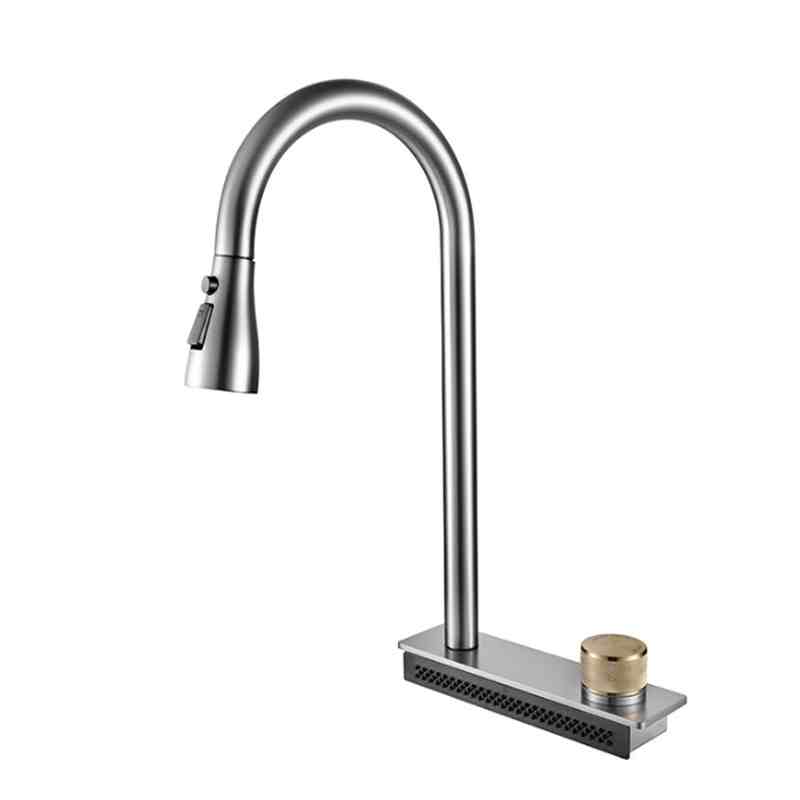
The process of changing a faucet begins before any tools are used. Kitchen sinks often sit in tight, dimly lit spaces, so creating a safe working environment is crucial. First, it's important to clear the cabinet beneath the sink. Cleaning out detergents, waste bins, and stored supplies gives sufficient room to maneuver wrenches and hoses. Placing a towel or shallow tray under the pipes helps catch residual water during disconnection.
Once the area is cleared, shutting off the water supply is essential. Most sinks have hot and cold shut-off valves located directly under the basin. Turning these clockwise closes the flow. Afterward, the faucet handle should be opened to release remaining water pressure, ensuring the system is safely depressurized before work begins.
This table provides an at-a-glance overview of what typically needs to be completed before the replacement starts:
| Preparation Step | Why It Matters |
|---|---|
| Clear under-sink space | Creates unobstructed working area |
| Shut off water valves | Prevents accidental flooding |
| Release faucet pressure | Avoids sudden spurts of water |
| Lay down towels or container | Catches drips during disconnection |
| Gather tools (wrench, pliers, putty) | Ensures continuous workflow |
Preparation directly affects how smoothly the remaining steps proceed.
After the workspace is prepared, the next step is disconnecting the old faucet assembly. Most faucets are attached using two or three mounting nuts positioned underneath the sink deck. They hold the faucet base tightly against the sink surface. Because moisture and mineral deposits often accumulate around these fittings, some nuts may be stiff or corroded, requiring extra effort to loosen.
The supply lines connected to the hot and cold shut-off valves must be detached carefully. Using an adjustable wrench, the nuts joining the flexible hoses to the valves are loosened counterclockwise. Residual water will drain out, so having towels ready is helpful. Some older faucets have rigid copper lines instead of flexible braided hoses; these require particularly gentle handling to avoid bending or cracking the metal.
Once the hoses are removed, the mounting nuts securing the faucet underneath the sink must be unscrewed. For faucets in tight spaces, a basin wrench provides access to hard-to-reach nuts. When the nuts come loose, the faucet body can be lifted from the top of the sink.
During this stage, it is normal to find accumulated grime beneath the faucet base. Cleaning the sink surface ensures a smooth, stable area for the new faucet to sit.
Modern faucets, including FUJIA’s stainless steel models, are designed to streamline installation with integrated mounting systems, pre-attached hoses, and rubber gaskets that eliminate the need for plumber’s putty in many cases. The faucet base is inserted through the designated sink holes, and the body is aligned straight before tightening any hardware.
The stabilizing gasket, usually made of rubber or silicone, sits between the faucet and the sink surface to prevent water infiltration. Underneath the sink, mounting brackets and tightening nuts secure the faucet. A wrench or screwdriver may be used depending on the design. The faucet should be tightened until it feels firm but not overly compressed, as excessive pressure can damage stainless steel surfaces.
| Component | Function |
|---|---|
| Rubber Gasket | Prevents leaks from mounting surface |
| Mounting Bracket | Provides stability and weight distribution |
| Fixing Nut | Tightens faucet to the sink deck |
| Pre-Attached Hoses | Simplifies connection to water supply |
FUJIA faucets use corrosion-resistant mounting hardware that withstands moisture and prevents loosening over time, ensuring the faucet remains stable even with frequent use.
Once the faucet is firmly mounted, the next step is reconnecting the water supply. Most new faucets include flexible braided hoses labeled for hot and cold supply. These hoses attach to the corresponding shut-off valves using threaded connectors. It is important to match the correct hose to avoid reversed water temperature at the faucet handle.
Hand-tightening the connectors first helps prevent cross-threading. Afterwards, a quarter-turn with a wrench secures the connection without overtightening. Proper sealing is essential—too loose leads to leaks, too tight can damage the threads. In some cases, plumbers’ tape may be used on male threads, though many modern connectors feature built-in seals.
Before turning on the water, it is important to verify that hoses are not kinked or bent sharply, as this can restrict water flow or cause premature hose failure. Once everything is aligned, the shut-off valves are opened slowly to restore pressure.
If small drips appear at the joints, slight tightening of the connectors usually resolves the issue. A FUJIA Stainless Steel Kitchen Faucet is engineered for steady flow, so once the supply is properly connected, the faucet will deliver consistent water pressure.
With the faucet connected and pressurized, a thorough test ensures everything is functioning correctly. First, run both hot and cold water independently to confirm the correct line connections. Observe whether the faucet handle moves smoothly and whether water transitions between temperatures without delay.
It is also important to check under the sink while the water is running. Look closely for leaks around the supply line connectors, mounting hardware, and any joints in the drainage system that may have been disturbed during installation. Even a slow drip can indicate that a connector requires tightening.
If the faucet includes additional features—such as a pull-down sprayer, swivel spout, or dual-flow modes—each component should be operated to ensure smooth performance. Any lower-than-expected water pressure may indicate debris or trapped air in the line. Running the water for a few minutes usually clears the system.
| Indicator | What It Means |
|---|---|
| No water dripping under sink | Proper sealing achieved |
| Smooth handle movement | Valve cartridge functioning correctly |
| Even flow rate from faucet | Hoses installed without obstruction |
| Quiet water flow | No trapped air or partial blockage |
FUJIA faucets are designed with precision-machined cartridges and aerators, so a noticeable improvement in water dispersion is often observed immediately.
Once the faucet is installed and tested, final adjustments complete the process. The faucet body may be centered one last time to guarantee visual alignment. The sprayer hose (if present) is checked for smooth retraction. The sink surface is cleaned to remove fingerprints, sealant residue, or metal shavings.
Long-term care ensures continued performance. stainless steel faucets resist corrosion but benefit from gentle cleaning with mild detergent. Abrasive pads or chemical cleaners should be avoided as they may dull the finish. Periodic inspection of supply lines helps detect early signs of wear, while aerators should be cleaned occasionally to remove mineral buildup.
Proper installation and routine maintenance enhance the lifespan of the faucet and sustain consistent water flow—especially when combined with the durability of FUJIA’s Stainless Steel Kitchen Faucet line, which is crafted to remain stable under daily kitchen use.
Changing a kitchen sink faucet involves preparation, careful removal of the old fixture, secure mounting of the new unit, and precise reconnection of water supply lines. Each step contributes to the faucet’s performance, ensuring it operates smoothly without leaks. With the right tools and a methodical approach, homeowners can complete this upgrade efficiently and safely.
FUJIA’s stainless steel faucet designs simplify installation through high-quality materials, well-engineered mounting systems, and reliable water-control components. By following proper installation techniques and maintaining the faucet over time, your kitchen enjoys improved functionality, better hygiene, and lasting performance.
Previous: How To Remove Smell From Kitchen Sink?
 Mobile Phone:
 Contact Now