

A smelly kitchen sink is usually a sign that organic residue is sitting somewhere in the drainage path, slowly breaking down and releasing gases back up through the sink and drain. The odor can appear even when the sink bowl looks clean, because most smell sources are hidden in places people do not see often, such as the drain flange, disposal chamber, strainer basket, trap bend, or overflow channel.
This guide explains how to remove kitchen sink odors effectively, how to stop them from returning, and how choosing the right sink design can make routine cleaning easier. Where product selection matters, FUJIA offers durable, easy-to-maintain kitchen sinks designed for everyday kitchen use and long-term hygiene.
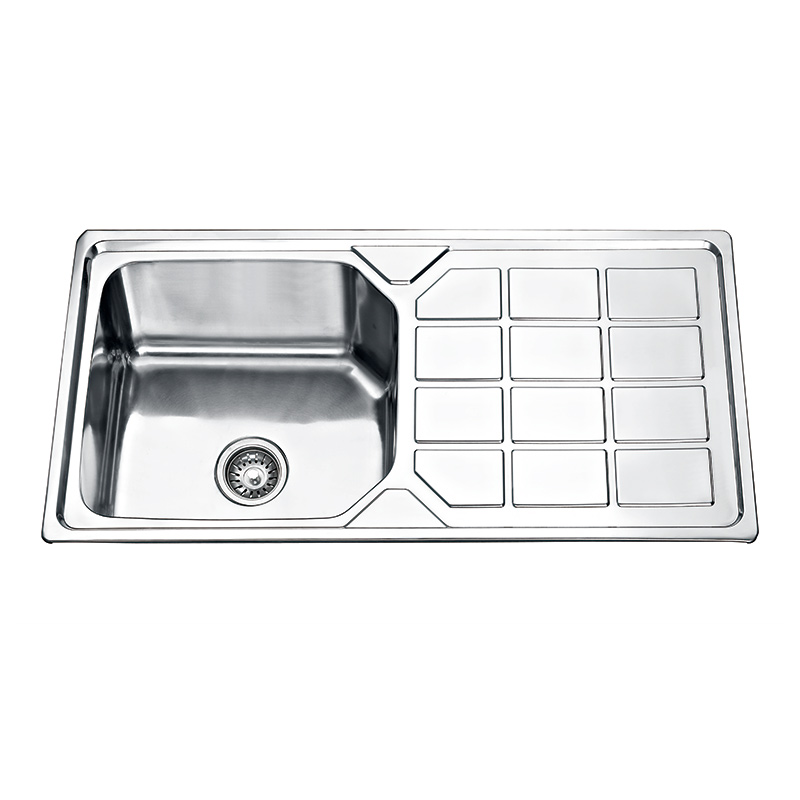
Most sink odors come from three categories of buildup. Understanding the source helps you choose the right fix instead of repeating surface cleaning.
Food residue trapped at the drain opening
Tiny particles can stick under the strainer, around the drain flange, and in the first section of the drain pipe.
Biofilm inside the drain and trap
A thin, slippery layer of grease and bacteria can coat the inner pipe walls. Biofilm holds odor even after water rinsing.
Dry or partially blocked trap
The trap is designed to hold water as a seal that blocks sewer gas. If the trap dries out or is clogged, odors can rise into the kitchen.
If you remove the biofilm and restore proper water sealing in the trap, odors usually stop quickly.
Even when the sink bowl is spotless, the drain collar area often holds the strongest odor.
Remove the strainer basket or stopper
Use hot water to rinse visible debris
Scrub the drain flange and underside lip with a small brush
Wash the strainer basket with dish soap, paying attention to mesh corners
Rinse thoroughly and reinstall
This step matters because odor often comes from residue right at the air-water boundary, where bacteria grow fastest.
Grease buildup is one of the most common reasons odors return after a basic clean.
Run hot water for one to two minutes
Add a small amount of degreasing dish soap
Continue running hot water to push the soap through the trap
Repeat if the sink drains slowly
If the sink drains slowly, odor control should focus on clearing the partial blockage rather than only deodorizing.
This method helps loosen mild biofilm and neutralize odors without harsh chemicals.
Pour baking soda directly into the drain
Add vinegar slowly to create a foaming reaction
Let it sit for ten to fifteen minutes
Flush with hot water
This approach is most effective when odor is caused by light buildup, not by a heavy clog.
If the smell returns quickly, the trap may hold sludge or may not be sealing properly.
Place a container under the trap
Loosen the slip nuts carefully
Empty the trap water and inspect for buildup
Clean the inside of the trap with a brush and soap
Reassemble and run water to confirm no leaks
A cleaned trap restores the water seal and removes the most common hidden odor source.
Disposal chambers can hold food paste and grease around the grinding ring and splash guard.
Turn off power before cleaning
Scrub the rubber splash guard thoroughly
Use a brush to clean the interior surfaces you can safely reach
Flush with cold water while running the disposal to clear debris
Avoid dumping grease or starchy paste into the disposal
Disposal odor often comes from residue above the blade area, especially the rubber guard.
| Odor pattern | Likely cause | Most effective solution |
|---|---|---|
| Smell is strongest right at the drain | Residue under strainer and flange | Drain flange and strainer deep scrub |
| Smell appears after running water | Biofilm disturbed inside drain | Baking soda and vinegar, then hot flush |
| Smell is constant, even when unused | Dry trap or sewer gas | Run water to refill trap, check venting |
| Slow draining and odor together | Partial clog with grease sludge | Trap cleaning, targeted drain cleaning |
| Odor mainly with disposal use | Residue in disposal and splash guard | Disposal cleaning and guard scrubbing |
Matching the fix to the odor pattern reduces repeated cleaning and prevents chemical overuse.
Odor prevention is mostly about reducing residue buildup and keeping the trap sealed.
Avoid pouring oil or grease down the drain
Grease coats pipes and traps odor quickly.
Use a sink strainer that catches fine food debris
Less debris entering the pipe means less biofilm growth.
Run hot water after washing oily dishes
This helps move dissolved fats through the trap before they cool.
Clean the strainer and drain collar on a schedule
Weekly cleaning is usually enough for most kitchens.
Keep the trap seal active
If a sink is rarely used, run water briefly every few days to maintain the seal.
A sink that is easier to rinse and wipe down reduces residue retention. Over time, easier cleaning means fewer odor problems.
Good sink design for hygiene typically includes:
Smooth inner corners and well-finished surfaces that reduce debris trapping
Practical depth that prevents splash while still allowing good rinse flow
Drain area design that supports stable strainer seating and easy access cleaning
Durable construction that resists long-term staining and buildup
Choosing a high-quality sink supports daily cleaning routines and helps prevent odor from becoming a recurring issue.
In most homes and commercial kitchens, odor issues become frequent when sinks are difficult to clean or surfaces trap grease and food particles. FUJIA focuses on kitchen sink solutions built for practical, daily maintenance and long service life.
FUJIA offers kitchen sinks designed for stable performance and easier cleaning routines, supporting users who want a hygienic sink environment with less effort and fewer odor problems over time.
If odor continues after cleaning the drain opening and trap, the issue may be related to venting, deeper pipe blockage, or plumbing layout.
Common signals include:
Odor that becomes stronger when multiple fixtures drain
Gurgling sounds suggesting venting problems
Frequent backups or slow drainage even after trap cleaning
In these cases, inspection by a qualified plumber may be the fastest way to solve the root cause.
Removing smell from a kitchen sink requires cleaning the places where odor actually forms, especially the drain flange, strainer, disposal area, and the P-trap. Once buildup and biofilm are removed and the trap water seal is restored, most odors stop quickly. Preventing odor is then a matter of routine strainer cleaning, grease control, and occasional hot flushing.
For buyers who want easier daily maintenance and long-term hygiene performance, FUJIA provides durable kitchen sinks designed for practical cleaning and dependable kitchen use.
 Mobile Phone:
 Contact Now