

There is no single universal standard size for every kitchen sink, because sink dimensions depend on installation type, cabinet width, kitchen layout, and regional preferences. However, in real purchasing and project work, the term standard size usually refers to the most common sink widths and bowl depths that fit typical base cabinets and countertop cutouts.
This article explains common kitchen sink size ranges, how to choose the right size for your cabinet and workflow, and what details matter beyond length and width. Where product selection is involved, FUJIA offers a wide range of durable kitchen sinks designed for practical installation and daily use.
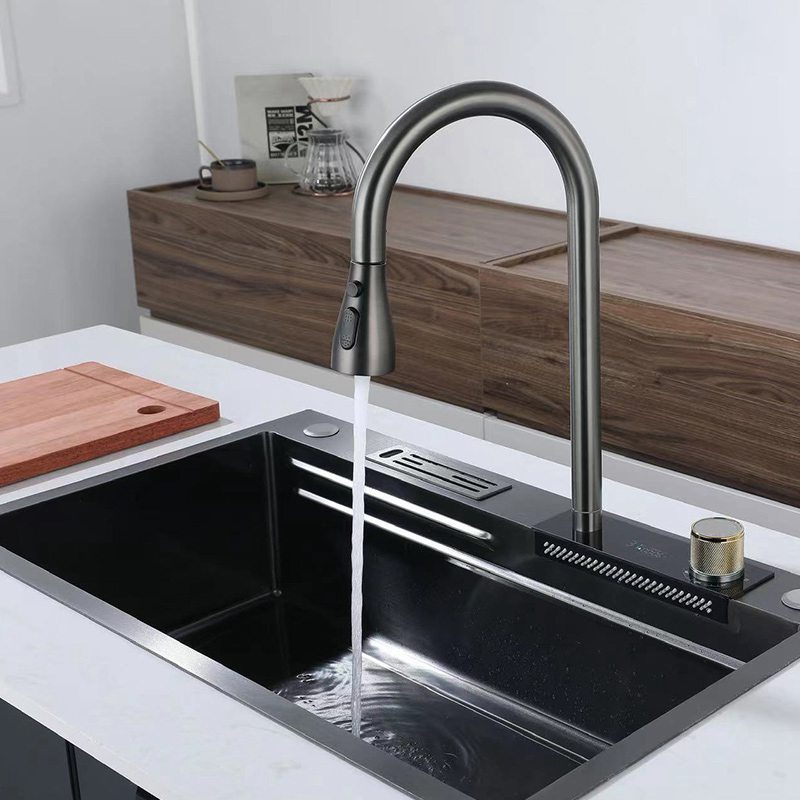
Kitchen sink sizes are shaped by a few practical constraints.
Base cabinet width
The sink must fit inside the cabinet while leaving room for mounting rails, clips, plumbing, and sometimes waste disposal equipment.
Installation method
Top mount, undermount, and farmhouse installations require different clearances and cutout approaches.
Bowl configuration
Single bowl, double bowl, and 1.5 bowl designs change usable space even if the outer size is similar.
Local market norms
Many projects in North America favor wider sinks for larger cookware, while other regions may prioritize compact sizes for smaller kitchens.
Because of these variables, the most useful approach is to understand common ranges and then confirm what fits your cabinet and countertop.
Most kitchen sinks are discussed using outer dimensions. The most common widths used in residential kitchens are shown below.
In many households, the typical sink width falls within a mid-range that fits common base cabinets.
22 to 25 inches
Often used in smaller kitchens, apartment renovations, or limited countertop runs. These are usually single bowl compact sinks or small double bowl designs.
26 to 30 inches
One of the most common purchase ranges for residential kitchens. This range works well with standard cabinetry and provides enough room for daily dishwashing.
31 to 36 inches
Often selected for larger kitchens, frequent cooking, or users who want more space for large pans. Many single bowl and workstation-style sinks are in this range.
37 to 45 inches
Typically used for farmhouse or specialty designs and requires larger cabinets and more countertop planning.
Front-to-back size affects how much counter space you keep and how comfortable the reach is.
18 to 20 inches
A common range for many standard sinks and fits a wide variety of countertop layouts.
20 to 22 inches
Often found in larger sinks, but you must check cabinet clearance and faucet reach.
Bowl depth affects splash control, usable volume, and how comfortable the sink is for the main user.
7 to 8 inches
Common in some compact sinks or older style designs, offering easier reach but less capacity.
8 to 10 inches
A very common modern range that balances capacity and comfort.
10 to 12 inches
Often used in deep single bowl sinks for large cookware. Depth must be matched to user height and faucet configuration to reduce back strain.
Installation type changes how size is measured and what space must be reserved.
Top mount sinks are often more forgiving because the rim covers the countertop cutout.
Outer size is the main reference for selection
Cutout size is smaller than the outer dimension
Cabinet fit is still required, especially for clips and plumbing
Top mount is widely used in replacement projects because it simplifies installation.
Undermount sinks require precise cutouts and strong countertop support.
Cutout accuracy matters more than rim coverage
Sink size must align with countertop strength and mounting method
Reveal style, such as positive, zero, or negative reveal, affects the perceived opening size
Undermount sinks are common in modern kitchens because they provide a clean countertop look and easier wipe-in cleaning.
Farmhouse sinks are wider front-apron designs that often require cabinet modification.
Larger cabinet width requirements
Front panel cutout considerations
Heavier sink weight planning for support
Farmhouse sinks can offer large bowl space but must be planned early in the cabinet design stage.
Cabinet width is the most practical starting point. The sink needs clearance inside the cabinet, not just on the countertop.
A simplified guide is shown below.
| Base cabinet width | Typical sink width that fits well | Practical notes |
|---|---|---|
| 24 inches | About 22 to 24 inches | Compact sinks or small kitchens |
| 30 inches | About 25 to 28 inches | One of the most common cabinet setups |
| 33 inches | About 27 to 30 inches | Popular for single bowl or medium double bowl |
| 36 inches | About 30 to 33 inches | Common for larger single bowl designs |
| 42 inches or more | About 33 to 36 inches or more | Large sinks and farmhouse options |
Actual fit depends on sink shape, mounting method, and internal cabinet structure. Always confirm the manufacturer’s cutout and cabinet requirements.
A sink can look standard in width but feel very different in daily use depending on bowl design.
Single bowl sinks maximize usable space for large cookware and baking trays. Many users prefer them because there is no center divider limiting movement.
Double bowl sinks support washing and rinsing separation, but each bowl is smaller. They work well when the household prefers splitting tasks.
1.5 bowl designs provide a main bowl for washing and a smaller bowl for prep or rinsing, balancing space and flexibility.
When comparing sinks, bowl dimensions can matter more than the overall outer dimensions.
In many markets, a 33 inch sink is considered one of the most common standard choices, especially for single bowl and popular double bowl formats. It fits many standard base cabinets and provides strong daily usability.
A 30 inch sink is widely used and not inherently small. It depends on cooking habits. For households that use large pans frequently, moving to a wider single bowl may improve comfort.
Deeper sinks reduce splashing and hold more volume, but very deep bowls can increase bending, especially for shorter users. A balanced depth is often the most comfortable for long-term use.
The most common mistake is measuring only the countertop opening and not confirming cabinet width and plumbing clearance. Confirm cabinet size, installation type, and cutout requirements before purchase.
Kitchen sink selection is not only about the size range. Buyers also care about whether the sink options fit different cabinets, support different installation types, and provide practical daily use.
FUJIA offers a wide range of kitchen sinks designed for common residential and project needs, helping buyers select sizes that match real cabinet layouts and daily kitchen workflows. With practical size options and durable construction, FUJIA sinks support both new builds and replacement projects where fit and usability matter.
Standard kitchen sink size usually refers to common widths in the 26 to 36 inch range, paired with front-to-back sizes around 18 to 22 inches and bowl depths commonly between 8 and 10 inches. The best size for your kitchen depends on cabinet width, installation style, bowl configuration, and how you cook and clean every day.
If you are selecting a sink for a remodel, a new build, or a project supply requirement, FUJIA provides a reliable selection of kitchen sinks to match common cabinet sizes and practical everyday use.
 Mobile Phone:
 Contact Now