

A drinking water faucet is not just a smaller faucet next to your main kitchen tap. It is a dedicated point-of-use outlet designed to deliver water for direct consumption, typically connected to a filtration or purification system. Choosing a purpose-built Drinking Water Faucet helps you separate “utility water” from “drinking water,” improve daily convenience, protect water taste, and create a cleaner, more organized sink setup. It also supports better control over materials, hygiene, and user habits, especially in homes and workplaces where people frequently fill bottles, make tea or coffee, or prepare baby formula.
At FUJIA, we develop our drinking water faucet range around practical goals that matter in real kitchens: smooth operation, durable internal construction, clean finishes that stay presentable, and a form factor that integrates naturally with under-sink filtration. This article explains the real reasons people choose a drinking water faucet, what advantages it offers compared with using a standard kitchen faucet, and how to make a confident selection based on everyday use.
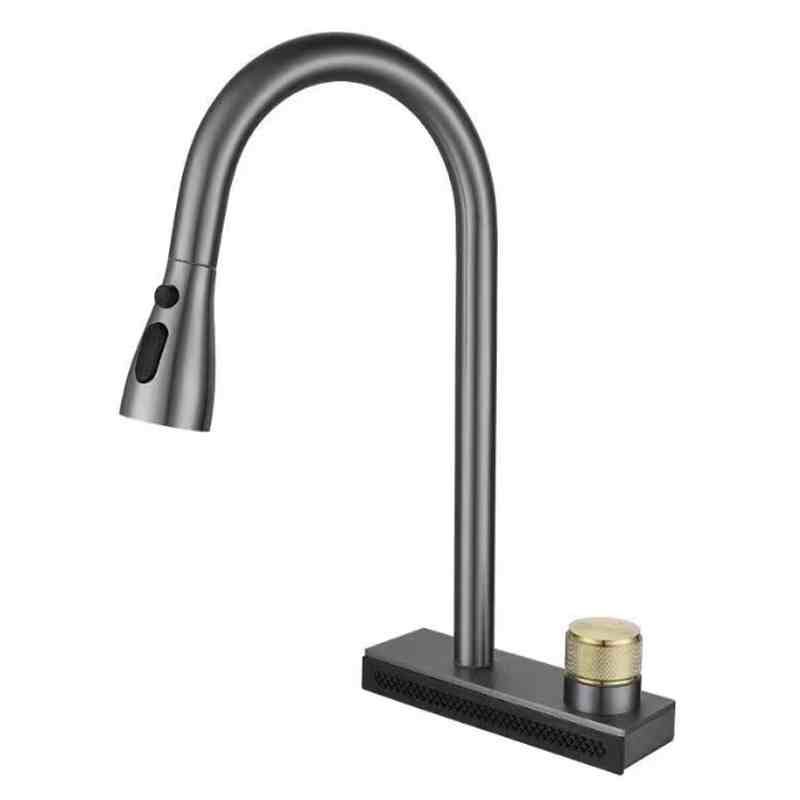
In many kitchens, the main faucet becomes a “do everything” tool: rinsing food, washing cookware, cleaning the sink, and filling water for drinking. These tasks have very different cleanliness expectations. A dedicated drinking water faucet changes the workflow by giving you a separate, consistent water point for direct consumption.
When you need a quick glass of water, you do not have to move dishes out of the way, reposition a pull-out sprayer, or worry about splashes from a recently used sink area. The drinking water faucet stays focused on one role, and that makes the routine feel faster and cleaner. Over time, that single change reduces the friction of staying hydrated, especially for households that fill bottles multiple times a day.
People often choose filtration for taste and odor improvement, but the faucet itself also matters because it is the final contact point. A drinking water faucet is typically designed with an internal water path that supports clean taste delivery, helping reduce the chance that water picks up unwanted odor from mixed-use plumbing routes.
Using the main kitchen faucet for drinking water can be fine in many homes, but it also means your drinking water passes through a pathway that is constantly exposed to dishwater splashes, cleaning residues around the aerator, and the general wear of high-frequency utility use. A dedicated drinking faucet reduces that overlap. The result is not only convenience, but also more consistent “first sip” taste when you fill a glass.
A drinking water faucet supports hygiene in a simple way: it helps separate “food-safe drinking” actions from “dirty sink” actions. In real kitchens, people often touch faucet handles after handling raw food, cleaning cloths, or dishwater. A dedicated faucet encourages a cleaner routine because it is used less for messy tasks and more for clean filling actions.
This matters even more in homes with children, elderly family members, or shared living situations where multiple users interact with the sink daily. A dedicated drinking faucet reduces the chances of cross-contact between cleaning tasks and water that is meant to be consumed.
If you frequently fill water bottles, kettles, coffee brewers, or small pots, a drinking water faucet can noticeably improve comfort. It creates a predictable, easy-access water point without needing to reposition large cookware under the main faucet, which may be occupied by drying racks or dishes.
For cooking prep, having filtered drinking water accessible at a separate faucet is also practical. It makes it easier to rinse delicate ingredients with cleaner-tasting water, fill a pot for soups, or prepare foods where water flavor affects the final result. While the primary benefit is still drinking use, the convenience often expands naturally into everyday kitchen prep.
Many filtration and purification systems are installed under the sink, and a dedicated drinking water faucet is the cleanest way to use them. Instead of routing filtered water into the main faucet, a separate outlet gives you a clear, controlled endpoint that is optimized for frequent, direct consumption.
This setup also makes the system easier to explain to guests and family members. People immediately understand which faucet is intended for drinking and which is for general washing. That clarity reduces accidental use, which can be helpful when you want to preserve filter life and keep drinking water usage intentional.
For FUJIA, this is a key design principle: our drinking water faucet options are developed to integrate smoothly with typical under-sink filtration layouts and provide stable, reliable operation at a dedicated drinking point.
A drinking water faucet can actually simplify your countertop setup. Instead of storing bottled water on the counter or keeping a bulky dispenser in view, you can rely on a discreet faucet that is always ready. This is especially attractive in modern kitchens that aim for a minimal, organized appearance.
Because the drinking faucet is smaller than the main kitchen faucet, it can be positioned thoughtfully to keep the sink deck feeling open. Over time, many users find that the sink area becomes easier to manage because there is a clear separation between cleaning tasks and drinking water access.
One overlooked advantage is behavioral: when drinking water is delivered through a dedicated faucet, you can better understand how the filtration system is being used. The household naturally uses the drinking faucet primarily for water that is consumed, which helps keep “filtered water” reserved for its intended purpose.
This can support more predictable filter replacement schedules because the water volume through the filtration outlet aligns more closely with drinking and cooking consumption, rather than being diluted by general sink cleaning. While every home’s habits differ, a dedicated faucet usually makes usage patterns clearer and easier to manage.
During a renovation, small choices can either simplify your final setup or create daily annoyances. A drinking water faucet is a practical upgrade that tends to stay valuable over time because it addresses a repeat action: filling water. It also fits well into a wide range of kitchen styles because it does not compete visually with the main faucet.
For homeowners planning a long-term kitchen, adding a drinking faucet is often a “low disruption, high daily value” improvement. It is a small fixture that changes how the sink is used, which is why it is frequently chosen in upgrades focused on convenience and lifestyle.
Choosing the right drinking water faucet should be based on daily use expectations and installation reality. The goal is not simply to pick a nice shape, but to select a faucet that stays smooth, clean, and reliable with frequent bottle filling and regular household handling.
A drinking faucet should be built with durable, stable materials and reliable internal construction, because it will be used frequently and should remain smooth over years of operation. External finish quality matters for long-term appearance, but internal sealing and stable operation matter even more for user confidence.
FUJIA designs its drinking water faucets to deliver a consistent feel in daily use and to maintain a clean appearance under regular handling. That is part of why our drinking water faucet product line is positioned as a practical, long-term fixture rather than a short-lived accessory.
A drinking faucet is often used many times a day. If the handle feels stiff, unstable, or awkward, it becomes an everyday frustration. A good drinking faucet should have a natural hand feel and a control motion that supports quick filling without unnecessary force.
Ergonomics also matter for children and older users. The easier the handle motion, the more likely people are to actually use the filtered water outlet consistently.
Bottle filling is one of the most common use cases. The spout height and reach should allow typical bottles and cups to fit comfortably, reducing splash and making one-hand filling easier. A well-designed spout geometry also helps keep the sink area tidy because users are less likely to bump containers into the faucet body.
Even small leaks are disruptive because they create a constant sink area mess and can damage cabinets if ignored. Leak resistance depends on internal sealing quality, machining accuracy, and stable assembly. A drinking faucet should stay stable under frequent use without developing handle wobble or drip issues.
Before purchase, confirm how the drinking faucet will connect to your filtration system. A practical selection process includes checking hose routing space, under-sink cabinet layout, and whether the chosen installation position leaves enough clearance for comfortable operation.
| Topic | Drinking Water Faucet | Using the Main Kitchen Faucet |
|---|---|---|
| Daily convenience | Dedicated outlet for quick filling | Shared outlet with washing tasks |
| Taste consistency | More controlled final contact pathway | Exposed to high-use utility workflow |
| Hygiene routine | Separates drinking from cleaning actions | More cross-contact during sink work |
| Bottle filling | Designed for frequent small fills | Can be blocked by dishes or sprayers |
| Filtration pairing | Clear endpoint for under-sink systems | Filter routing may be less direct |
| Sink organization | Adds a clean, purposeful station | One faucet must handle all tasks |
This comparison does not imply the main faucet is “wrong.” It shows why many households choose a dedicated drinking outlet once they experience the day-to-day benefits.
A drinking water faucet is a small product that people use constantly. That makes reliability and daily feel more important than fancy features. Our approach is to provide a faucet that performs consistently, stays clean-looking, and integrates smoothly with common filtration setups.
When users install our drinking water faucet, the expectation is straightforward: easy bottle filling, a cleaner routine at the sink, and a dedicated point that supports filtered water use without complication. That is the practical advantage of a purpose-built drinking faucet, and it is why this upgrade continues to grow in popularity in modern kitchens.
Will a drinking water faucet take up too much sink space?
In most installations it adds a small footprint, and the benefit is improved sink workflow. Placement planning matters. A good installer can position it so it feels natural without crowding the main faucet.
Is it only for drinking water?
Its primary role is drinking and direct consumption. Many users also use it for tea, coffee, and cooking water where taste matters, but it is still best treated as the clean water point.
Does it actually change daily habits?
Yes, because it reduces friction. When clean water is easy to access, people use it more consistently. That is one of the most valuable, practical benefits.
Is it worth adding during a renovation?
If you frequently fill water, use filtration, or want a cleaner sink routine, it is one of the upgrades that tends to stay valuable because it supports a repeated daily behavior.
Choosing a drinking water faucet is about more than adding a second tap. It is a practical decision that improves sink workflow, supports cleaner habits, protects taste consistency at the final outlet, and pairs naturally with under-sink filtration systems. It also reduces clutter and makes bottle filling and beverage preparation easier, especially in kitchens with frequent daily use.
For households and projects that want a dedicated, reliable drinking water point, a purpose-built solution delivers lasting value. FUJIA’s drinking water faucet is designed to support that value through stable operation, practical installation fit, and a daily-use experience that stays smooth over time.
 Mobile Phone:
 Contact Now