

Waterfall faucets continue to spark debate in kitchen design. Some people view them as a past trend, while others see them as a distinctive upgrade that still feels modern. The reality is more nuanced. Waterfall faucets have not disappeared, but the way they are selected and used has matured. Instead of being chosen simply because they look different, they are now evaluated on how well they fit a kitchen’s layout, daily workflow, and long-term visual balance.
When chosen thoughtfully, a waterfall faucet can still look current and intentional. The key is understanding what role it plays in the kitchen and whether its visual impact and water flow style align with real usage. That is why FUJIA designs its waterfall kitchen sink faucet to balance appearance with practical performance, making the waterfall effect suitable for everyday kitchens rather than just showroom displays.
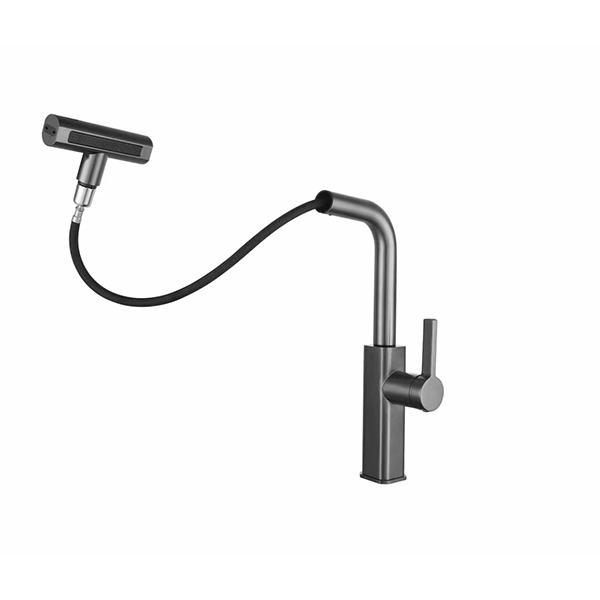
Waterfall faucets became popular because they changed the visual language of the sink. Instead of a narrow stream, they introduced a wide, open sheet of water that felt architectural and calm. In kitchens that were moving toward spa-inspired or minimalist aesthetics, this visual softness stood out.
At the time, many homeowners wanted a clear focal point in the kitchen without remodeling cabinets or countertops. Replacing a standard faucet with a waterfall-style faucet offered an immediate and noticeable transformation. This is why waterfall faucets spread quickly during periods when bold fixture choices were widely embraced.
The perception that waterfall faucets are outdated usually comes from poor matches rather than the concept itself. In kitchens with traditional cabinetry, ornate hardware, or classic layouts, a waterfall faucet can feel disconnected. The contrast can make the faucet look like it belongs to a different design direction.
Another factor is early product design. Some older waterfall faucets were bulky, oversized, or visually heavy. As kitchen trends moved toward cleaner lines and lighter proportions, those designs started to feel excessive.
Practical concerns also shaped opinions. In some installations, shallow sinks or incorrect placement caused splashing. In areas with hard water, wide spouts showed water spots more easily. These issues led users to associate the style with inconvenience rather than design value.
Today, waterfall faucets are no longer chosen as default upgrades. They are selected intentionally for kitchens where their form and flow make sense. In contemporary and minimalist kitchens, the waterfall stream complements flat cabinet fronts, straight lines, and uncluttered surfaces.
They also work well in kitchens where the sink area is treated as a visual feature rather than a hidden utility zone. When the faucet geometry echoes other linear elements in the room, it feels integrated instead of decorative.
The shift is not about abandoning waterfall faucets. It is about using them with clearer design intent and better understanding of daily use.
Beyond appearance, waterfall faucets offer a distinct water delivery experience. The wide flow makes the water pattern easy to see, which some users find calming and predictable during filling and rinsing tasks.
For homeowners looking to refresh a kitchen without major construction, a waterfall faucet still provides a noticeable upgrade. It changes how the sink feels and looks without altering the surrounding structure.
When built for real kitchens, a waterfall faucet can also support smooth daily routines. FUJIA focuses on stable flow control, comfortable handling, and finishes that remain presentable under frequent use. This approach allows the waterfall effect to feel like a practical feature rather than a fragile design statement.
Splashing is often cited as a drawback, but it is not inherent to waterfall faucets. It usually results from pairing a wide outlet with a shallow sink or poor positioning. Deeper basins and proper faucet height greatly reduce splash risk.
Before choosing a waterfall faucet, consider how water will hit the sink surface. When the geometry is correct, daily use remains comfortable and controlled.
Because the spout surface is wider, mineral spots can be more visible in hard-water environments. This does not mean the faucet is difficult to live with, but it does mean light routine cleaning helps preserve its appearance.
Choosing a finish that cleans easily and adopting a quick wipe-down habit keeps the faucet looking consistent over time. Many users find this maintenance comparable to other visually prominent fixtures.
A waterfall stream looks broad, but it may feel different from a concentrated aerated flow. Understanding this difference is important. The waterfall effect is about visual clarity and smooth delivery rather than forceful spray.
In kitchens where heavy-duty washing is frequent, some users pair the waterfall faucet with a sprayer or design their workflow accordingly. When expectations are aligned, satisfaction remains high.
A waterfall faucet tends to feel timeless when it matches both design and behavior. If your kitchen emphasizes clean lines and modern materials, the waterfall form fits naturally. If the kitchen relies on traditional details, the faucet may feel like a contrast rather than an extension.
Usage patterns matter just as much. If you value visual calm and a refined sink experience, the waterfall faucet enhances that goal. If the sink is primarily a high-intensity work zone, a simpler stream may feel more forgiving.
The decision becomes easier when you evaluate how the faucet will be used every day rather than how it looks in isolation.
A waterfall faucet that avoids trend fatigue focuses on fundamentals rather than decoration.
The faucet should feel smooth and predictable during use. Stable control reduces unnecessary adjustments and keeps the sink area tidy.
Balanced geometry and clean transitions help the faucet blend into the space. Overly complex shapes tend to age faster than restrained designs.
Because the spout is visually prominent, finish quality matters. A faucet that maintains its appearance under daily handling feels premium longer.
FUJIA designs its waterfall kitchen sink faucet with these principles in mind, aiming to create a product that remains visually relevant and practical over time.
| Consideration | Waterfall faucet fits well when | You may reconsider when |
|---|---|---|
| Visual role | You want a clear sink focal point | You prefer a low-visibility fixture |
| Kitchen style | Modern or minimalist design | Strongly traditional layout |
| Sink depth | Deeper basin supports smooth flow | Very shallow basin increases splash |
| Maintenance habits | Light routine cleaning is acceptable | Hard water spots are a major concern |
| User expectations | Visual flow matters as much as function | Maximum spray force is the priority |
This comparison helps ground the decision in daily reality rather than trend labels.
Waterfall faucets are not outdated. They have become more selective. Instead of being used everywhere, they are chosen where they make sense visually and functionally. This shift reflects a more mature design approach rather than a rejection of the style.
When paired with appropriate sinks, thoughtful placement, and a faucet built for daily use, the waterfall effect still feels modern and intentional.
Waterfall faucets are not a passing trend that has vanished. They have moved from novelty to considered choice. Their success depends on matching design intent, sink geometry, and real usage habits.
For kitchens that embrace clean lines and value visual clarity at the sink, a well-designed waterfall faucet remains a relevant and attractive option. FUJIA’s waterfall kitchen sink faucet is developed to support that balance, offering the waterfall look with the reliability and comfort expected in everyday kitchen use.
Previous: What Is A Bib Tap Used For?
 Mobile Phone:
 Contact Now