

A bib tap, also called a bib cock in many markets, is a wall-mounted faucet designed to deliver water at a single outlet point, typically for utility use rather than countertop sink use. Its layout is simple and practical: a compact valve body, a clear on-off handle, and an outlet that can connect to a hose or direct water into a bucket, Floor Drain, or external line. Because it is installed on a wall and built for frequent switching, a bib tap is widely used anywhere water needs to be accessed quickly, controlled reliably, and maintained easily.
FUJIA develops the bib cock as a durable, day-to-day utility faucet for homes, facilities, and light industrial environments. The goal is straightforward: stable shut-off, smooth handling, dependable sealing, and a structure that stays reliable under repeated use. Below, you will find the most common bib tap uses, how different installation scenarios affect performance, and how to choose the right configuration for long-term satisfaction.
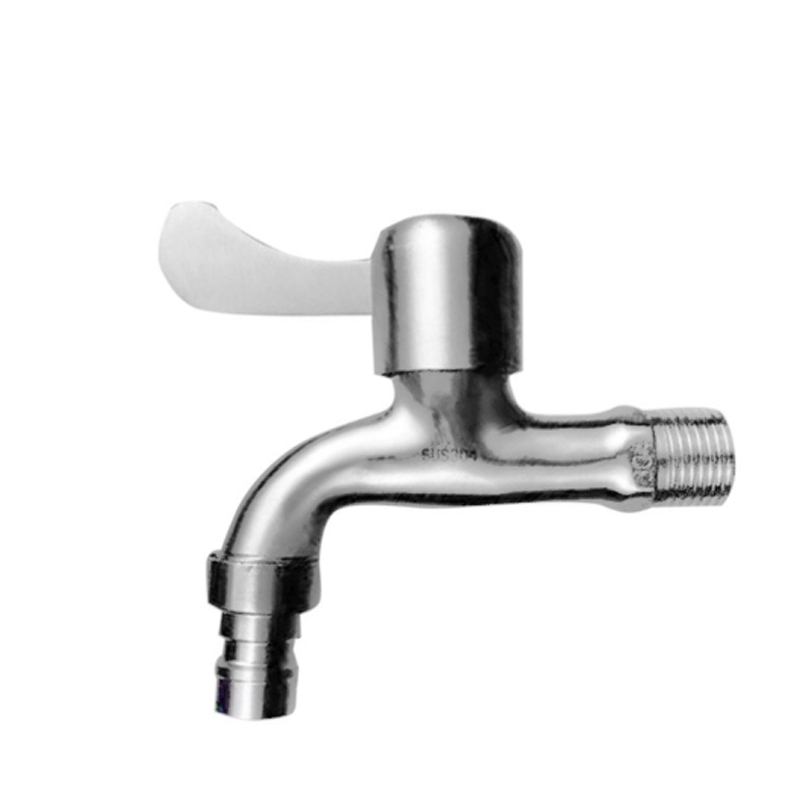
A bib tap is usually mounted directly to a wall outlet, often with a threaded connection. Instead of being integrated into a sink deck, it is positioned where water access is needed most. That may be near a garden area, next to a washing machine, inside a utility room, along a corridor, or in a maintenance zone.
The design advantage is simplicity. A bib tap prioritizes fast control and easy service. Many models also support hose connection, which turns a fixed water point into a flexible utility outlet. When the goal is not decorative styling but reliable daily water access, the bib tap becomes the most practical solution.
One of the most common bib tap applications is outdoor water access. A wall-mounted outlet near the yard or patio allows users to water plants, wash outdoor surfaces, and fill buckets without routing hoses through indoor spaces.
In this scenario, the practical expectations are consistent: the faucet must open smoothly, shut off fully, and handle frequent connections and disconnections. For households that water gardens daily, the handle may be turned on and off dozens of times a week. A well-built bib tap reduces the risk of annoying drips and helps keep the outdoor area dry and clean.
A bib tap also improves outdoor organization. Instead of storing water containers inside or carrying water across the home, users can access water at the point of use. Over time, this reduces wear on indoor flooring and lowers the chance of accidental spills during transport.
Bib taps are widely used to supply water to washing machines and utility sinks. In many installations, a bib tap provides a dedicated shut-off point that is easy to reach and easy to understand. This is important for safety and maintenance because a user can stop water quickly if a hose leaks or a machine needs service.
In a laundry environment, pressure stability and sealing quality matter. Small drips can create long-term moisture problems under cabinets or behind machines. A stable bib tap helps prevent slow leak damage and reduces the frequency of emergency maintenance calls in rental or multi-family properties.
For users who want a clean, controlled laundry setup, the bib tap is a practical valve point that stays consistent across appliance upgrades.
Garages and workshops often need water for cleaning tools, rinsing parts, washing hands, or filling containers. A bib tap provides a straightforward solution because it can be installed at a comfortable height on a wall and operated quickly even when hands are dirty.
This is also where durability becomes a key factor. Workshop water points may be exposed to dust, temperature changes, and frequent on-off cycles. A bib tap designed with stable construction and dependable internal sealing supports a more reliable utility area, reducing downtime and avoiding messy drips on the floor.
For facilities that treat the garage or workshop as a working zone, the bib tap acts as a practical infrastructure component rather than a decorative fixture.
In some home layouts, a bib tap is installed as a secondary outlet to support cleaning tasks. Examples include a water point near a floor drain, a service area for mops, or a location that supports bucket filling without using a sink basin.
This setup improves hygiene workflow. Instead of filling mop buckets in a handwashing sink or kitchen sink, a dedicated utility outlet keeps cleaning tasks separate from food or personal hygiene areas. In commercial environments, this separation is often part of good facility management practices.
A bib tap also supports faster cleaning routines, especially in spaces where time and efficiency matter.
Bib taps appear in many commercial and public settings because they are easy to install, easy to operate, and easy to replace. Common locations include corridors, maintenance rooms, cleaning stations, service areas, and exterior building walls.
In these environments, the faucet is often used by multiple people, not all of whom will treat it gently. That makes robustness and stable shut-off especially important. A bib tap that remains reliable under repeated use helps reduce water waste and maintenance workload.
FUJIA designs its bib cock products to fit this kind of practical usage, where consistent performance matters more than decorative complexity.
A bib tap is well-suited to tasks that are repeated frequently and require simple control:
Hose watering and outdoor washing The outlet location and hose compatibility make the bib tap a natural choice for flexible use.
Bucket filling and floor cleaning The wall-mounted position supports easy filling without splashing inside a sink basin.
Quick shut-off for appliances A clear handle design makes it easy to stop water fast if needed.
Maintenance and service routines The structure is straightforward, so service teams can diagnose and replace components efficiently.
These tasks share one theme: the bib tap reduces friction by putting water access exactly where it is needed.
Selecting a bib tap becomes much easier when you focus on the real installation and usage conditions.
Outdoor installations face weather, sunlight, and temperature changes. Indoor installations may face humidity or frequent contact. Choosing a bib tap built for stable performance under the expected environment reduces future problems.
If the tap will be used outdoors, consider protective placement that reduces direct impact and keeps hose routing clean. If it will be used indoors near appliances, prioritize stable sealing and easy access for maintenance.
Many users choose a bib tap specifically to connect a hose. In that case, ensure the outlet design supports practical hose attachment and stable connection. The goal is a connection that does not loosen easily during use and does not create small leaks that waste water.
A bib tap is used frequently. The handle should feel stable and predictable, especially for public or multi-user environments. Clear on-off control reduces misuse and lowers the chance of leaving the tap partially open.
Drips and slow leaks are the most common complaints in utility outlets. A bib tap should be built with dependable sealing performance and a structure that supports long-term stability. This matters in both homes and facilities because a minor drip can create significant cleaning and water waste over time.
| Topic | Bib tap | Standard kitchen faucet |
|---|---|---|
| Installation | Wall-mounted outlet point | Sink deck or countertop |
| Primary use | Utility water access | Food prep and dishwashing |
| Typical connection | Often supports hose use | Usually aerator outlet, optional sprayer |
| Control style | Simple on-off operation | Mixed temperature and flow control |
| Best locations | Outdoor walls, garages, utility rooms | Kitchen sinks |
This comparison shows why a bib tap is not a replacement for a kitchen faucet. It is a dedicated utility tool that serves different needs.
A bib tap is a small fixture, but it can influence daily routines. When the tap opens smoothly, shuts off fully, and stays stable under repeated use, users stop thinking about it. That is the best outcome for a utility water point. When a bib tap drips, feels loose, or becomes hard to operate, it creates daily annoyance and maintenance cost.
A durable bib tap supports better habits. People are more likely to shut off water properly when the handle feels predictable. They are more likely to keep the area clean when they are not dealing with constant drips. They are more confident connecting hoses and running outdoor tasks without worrying about leaks.
FUJIA develops its bib cock range to support that stable daily experience, focusing on practical performance that fits real use conditions.
A bib tap is used wherever a reliable, wall-mounted utility water outlet is needed. Common uses include outdoor watering, patio washing, laundry and appliance connections, garage and workshop water points, cleaning stations, and facility maintenance areas. Its value comes from simple control, convenient placement, and dependable shut-off performance.
If your project needs a dedicated utility water point that is easy to operate and easy to maintain, a bib tap is often the most practical solution. For long-term reliability and a clean daily experience, choosing a well-built option like the FUJIA bib cock helps ensure stable performance across frequent, real-world use.
 Mobile Phone:
 Contact Now