

A single handle shower faucet is designed to control both water flow and temperature through one lever. When it starts leaking, running inconsistently, or failing to maintain temperature, the cause is usually a worn cartridge, damaged seals, mineral buildup, or a related valve-body issue. In most cases, you can repair the faucet without opening the wall or replacing the entire shower system, as long as you diagnose the symptom correctly and use the right parts.
This guide explains how single handle shower faucets work, what problems are most common, and how to repair them step by step with minimal risk to the wall finish. If you are comparing shower faucet configurations or planning a replacement, you can reference this category: shower faucet.
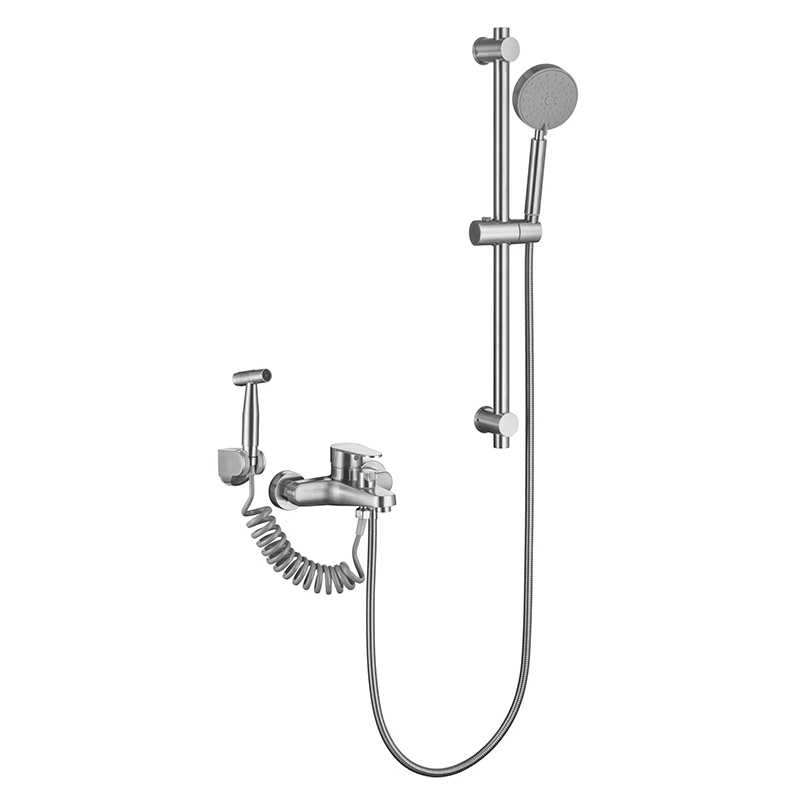
Shower faucet repairs are straightforward, but mistakes can cause water damage or stripped fasteners, especially behind decorative trim. Start with controlled preparation.
Key prep steps:
Shut off water supply
Use the shower valve stops if your valve has integrated service stops behind the trim. If not, shut off the home’s main water supply.
Relieve pressure
Turn the shower handle on briefly to release pressure after shutting off supply. This reduces spray and makes disassembly cleaner.
Protect the tub or shower floor
Cover the drain so small screws and clips do not fall in. Place a towel to prevent tool scratches.
Photograph parts as you disassemble
Single handle trim assemblies can be reinstalled incorrectly if orientation is not documented.
Confirm the symptom and when it happens
A drip from the showerhead when off is different from a leak behind the wall. The repair path changes depending on the symptom.
If you are repairing a faucet in a multi-unit property, confirm supply shutoff coverage to avoid impacting other lines unexpectedly.
A repair goes faster when you match the symptom to the likely failure point.
Typical symptoms and causes:
Dripping from showerhead when off
Often caused by a worn cartridge seal, debris in the cartridge, or a damaged valve seat depending on design.
Water leaking from the handle area
Often caused by a worn O-ring on the cartridge stem or a loose bonnet nut.
Sudden temperature swings
Often caused by cartridge wear, pressure imbalance, or a faulty pressure-balancing mechanism.
Low flow or weak pressure
Often caused by mineral buildup in the cartridge or debris in inlet screens. Sometimes it is a restriction in the showerhead, but you should confirm it is not a valve-side issue.
Handle hard to move or sticking
Usually caused by mineral scaling, worn lubricant surfaces, or cartridge deformation.
Most single-handle shower faucets rely on a cartridge for mixing and flow control. That cartridge is often the first part to inspect and replace, because it is the wear component designed for service.
The correct tools reduce damage risk, especially when removing trim and cartridge retaining parts.
Recommended items:
Phillips and flat screwdriver
Allen key for handle set screws
Adjustable wrench or deep socket for bonnet nut
Needle-nose pliers
Cartridge puller tool, if the cartridge is stuck
Silicone plumber’s grease for O-rings
White vinegar for mineral removal if needed
Replacement cartridge and O-ring kit matched to your valve model
PTFE tape only if the design uses threaded trim or adapters, not on cartridge seals
A simple parts reference table helps planning:
| Component | Common symptoms | Replace or clean | Notes |
|---|---|---|---|
| Cartridge | Drip, temp issues, hard movement | Often replace | Must match valve model |
| O-rings | Leak at handle, seep at trim | Replace | Use silicone grease |
| Bonnet nut or retaining clip | Loose handle feel, internal movement | Inspect | Do not overtighten |
| Pressure balancing unit | Temp swings, scald risk | Inspect/replace if applicable | Depends on valve design |
| Inlet screens | Low flow | Clean | Not all valves have screens |
If the faucet model is unknown, remove the cartridge and take a clear photo of the cartridge shape and any markings, as that is the most reliable way to match a replacement.
A drip from the showerhead after you shut the water off is the most common complaint. The repair usually focuses on servicing the cartridge.
Locate the handle set screw, often under the lever or behind a cap.
Remove the handle and set it aside.
Remove the trim plate screws and pull the plate forward gently.
If a foam gasket or seal is present, inspect it and keep it for reassembly.
Avoid prying aggressively, because trim plates can crack or chip surrounding tile.
Identify the retaining clip, bonnet nut, or retaining ring.
Remove it carefully and keep it safe. Many clips are small and easy to lose.
Pull the cartridge straight out. If it is stuck, gently rock it without twisting hard.
If mineral buildup is heavy, a cartridge puller tool prevents damage to the valve body.
Look for tears, worn seals, or debris lodged in the ports.
Clean the valve body cavity with a cloth. Do not use abrasive tools that can scratch sealing surfaces.
If mineral scale is present, clean carefully without letting debris fall deeper into the system.
If the cartridge shows wear, replace it. Replacing is usually more reliable than cleaning alone.
Lubricate O-rings lightly with silicone plumber’s grease. Do not use petroleum grease.
Reinstall the retaining clip or bonnet nut to the correct tightness.
Reinstall trim and handle.
Turn water on and test for drips, smooth handle movement, and stable temperature.
If dripping remains after a cartridge replacement, the valve seat or internal valve body may be damaged, which is less common but possible in older valves.
Leaks near the handle can cause staining and can be mistaken for a wall leak. Most handle-area leaks are seal-related.
What to do:
Check that the bonnet nut is snug
A slightly loose bonnet nut can allow seepage. Tighten gently and test. Over-tightening can crack parts or make the handle hard to operate.
Replace stem O-rings
If water appears around the stem when the faucet is on, the O-rings are likely worn. Replace and lubricate lightly.
Inspect trim gasket and wall seal
If water is coming from behind the trim plate during shower use, the issue may be water entering from outside the valve, not from inside. A correct trim plate gasket and proper sealing to tile can prevent water from migrating into the wall cavity.
Confirm shower spray direction
Water can run behind trim if the showerhead sprays toward the valve wall or if a handheld sprayer is used improperly. The trim seal is a barrier, but excessive external water can still enter if gaps exist.
A handle-area leak that occurs only during showering is often external water intrusion. A leak that occurs even when the shower is off can be internal. Use this distinction to avoid unnecessary cartridge replacement.
Single handle shower faucets can lose performance due to buildup and pressure imbalance.
Test with the showerhead removed
If flow improves without the showerhead, the restriction is in the showerhead, not the valve.
Check cartridge ports for debris
Small debris can block mixing ports and reduce flow. Cleaning can help, but replacement is often more reliable when buildup is severe.
Inspect inlet screens if present
Some valves have screens at inlets or in the cartridge assembly. Clean them carefully.
Replace a worn pressure-balancing cartridge
Many modern shower valves use pressure balancing to reduce scald risk. When the balancing mechanism sticks, temperature can swing.
Verify hot and cold supply stability
In some buildings, simultaneous water use causes pressure changes. A pressure-balancing valve helps, but severe supply issues can still affect stability.
Confirm correct cartridge orientation
If a cartridge is installed rotated or flipped, temperature control may be reversed or unstable.
If you are planning to upgrade for better temperature stability and serviceability, reviewing updated configurations can be useful. You can explore options here: shower faucet.
Most cartridge and seal repairs are manageable, but some situations indicate a deeper valve-body or plumbing issue.
Consider professional help if:
You cannot locate a shutoff and the main supply must remain on
The cartridge is seized and removal risks damaging the valve body
Water is leaking inside the wall cavity or from behind tile
The valve body is cracked or corroded
You have persistent temperature instability after cartridge replacement
The shower uses a complex diverter system with multiple outlets and unclear routing
A damaged valve body typically requires in-wall work, which is best handled by a professional to prevent concealed water damage.
Repairing a single handle shower faucet is usually a matter of addressing wear components rather than replacing the entire system. For most symptoms, the cartridge and its seals are the first items to inspect because they control both flow and temperature and experience the most wear. Handle-area leaks often come from O-rings or a loose retaining system, while low pressure and temperature swings commonly result from debris, scaling, or pressure-balancing issues.
The most reliable approach is to shut off water safely, disassemble trim carefully, replace the cartridge with the correct matching part, lubricate seals properly, and test operation under normal pressure. When the valve body itself is damaged or when leaks occur inside the wall, it is safer to involve a professional to protect the structure and finish.
 Mobile Phone:
 Contact Now