

Choosing between an exposed shower faucet and a concealed shower faucet is not only a style decision. It affects installation complexity, maintenance access, waterproofing risk, renovation cost, and how easily you can upgrade later. Many buyers compare photos and finish options first, but the better choice depends on the bathroom structure behind the wall, local installation habits, project timeline, and whether you want a fast retrofit or a clean, built-in look.
This guide explains how exposed and concealed shower faucets differ, what each does best, how to compare them on real project factors, and how to select the right setup for your bathroom. If you want to learn more informations while you decide, you can visit the category here: shower faucet.
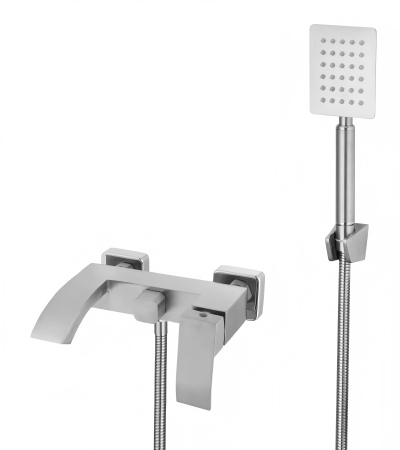
The terms exposed and concealed describe where the main valve body and plumbing connections sit.
exposed shower faucet systems keep the mixing valve and often the diverter and piping visible on the wall surface. Water lines connect to the unit externally or through limited wall penetration. Because the valve body remains accessible, repairs and replacements can usually be done without opening the wall.
Concealed shower faucet systems place the mixing valve and most connections inside the wall cavity. Only the trim plate, handle, and outlet components are visible. This creates a minimal, integrated appearance, but it also means valve access relies on the service opening behind the trim plate. If the valve body or in-wall connections fail, wall access may be needed.
The better option depends on whether you prioritize simplified access and faster retrofit work, or a cleaner appearance and concealed plumbing.
A useful comparison focuses on how the faucet behaves in installation and long-term use, not just how it looks.
Exposed systems are typically faster to install, especially in renovations. They reduce wall opening, tile disruption, and in-wall alignment steps. Concealed systems require accurate in-wall rough-in positioning, depth control, and careful waterproofing around the trim.
Exposed systems allow direct access to many components, which can reduce service time. Concealed systems still allow cartridge replacement from the front in many designs, but any leak behind the wall or incorrect rough-in depth can increase repair complexity.
Concealed systems rely heavily on correct sealing behind the trim plate and around penetrations. Good waterproofing practices can make concealed systems very reliable, but workmanship matters. Exposed systems generally reduce the number of penetrations and wall cavity risk because more components stay outside the wall.
Exposed systems can be upgraded with less disruption. Concealed upgrades can be simple if the new trim matches the same valve platform, but changing valve bodies often requires wall work.
The total cost is not only the faucet price. Labor, wall finishing, tile work, and risk of rework often define the real budget.
Exposed shower faucet cost drivers typically include surface mounting labor, pipe routing on the wall, and aesthetic finishing of visible connections. The advantage is lower demolition and lower risk of hidden leak points.
Concealed shower faucet cost drivers typically include wall opening, in-wall rough-in labor, waterproofing materials, tile work, and careful depth alignment. If the valve is placed too deep or too shallow, trim fitting and handle operation can be compromised, which can trigger rework.
For many remodel projects, exposed systems are often selected to reduce disruption and finish repair costs. For new builds or full renovations where walls are already open, concealed systems become more attractive because the incremental labor is lower.
Both exposed and concealed systems can deliver excellent water control, but the user experience can differ depending on design and bathroom layout.
Exposed systems often feel practical and service-friendly. Many designs include integrated riser rails and adjustable height components that are easy to reposition. Because the body is visible, adjustments and replacements are usually simpler.
Concealed systems often deliver a cleaner visual field and easier surface cleaning around the shower area because there are fewer external components. For minimalist bathrooms, concealed trim reduces visual clutter and can improve the perception of space.
Where performance becomes noticeable is in temperature stability and control feel. That depends on the internal cartridge design, pressure balancing, and diverter configuration, not strictly on exposed vs concealed. Buyers should focus on valve design quality and compatibility with local water pressure conditions.
If you are evaluating configuration options such as single function, dual outlet, or diverter setups, browsing a category range can help you align user experience with your project plan: shower faucet.
The table below helps summarize how exposed and concealed systems compare under typical project priorities.
| Decision factor | Exposed shower faucet | Concealed shower faucet |
|---|---|---|
| Best for | Fast retrofits, low disruption projects | New builds, full renovations, minimalist design |
| Wall opening and tile work | Usually minimal | Often required |
| Rough-in precision required | Lower | Higher, depth and alignment matter |
| Repair access | Easier access to body components | Cartridge service often front-access, deeper repairs may require wall access |
| Waterproofing risk | Lower wall-cavity risk | Higher dependence on correct sealing and workmanship |
| Visual style | Functional, visible plumbing | Clean, integrated, minimal surface hardware |
| Upgrade later | Typically easier | Easier if staying on same valve platform |
| Space constraints | Works well where wall cavity is limited | Needs sufficient wall depth for valve body |
A clear takeaway from most projects is that exposed systems reduce renovation risk and speed up installation, while concealed systems maximize visual cleanliness and integration when the build conditions support proper rough-in and waterproofing.
Rather than choosing by appearance first, match the faucet type to your building conditions and renovation scope.
You are upgrading a shower quickly without opening walls
You want easier access for future maintenance
You are working in a rental property or multi-unit building where minimizing downtime matters
The wall cavity depth is limited or uncertain
You want to reduce tile repair and waterproofing work
You are building new or doing a full bathroom renovation with walls open
You want a minimal look with fewer visible components
You can control rough-in depth and alignment accurately
You want a clean surface that is easier to wipe and maintain visually
You plan a multi-outlet system and want integrated control layout
A practical way to decide is to ask whether you are willing to open the wall. If the answer is no, exposed often becomes the more efficient solution. If the answer is yes and you want a clean finish, concealed becomes a strong choice.
Once you choose exposed or concealed, focus on the details that determine long-term satisfaction and serviceability.
Important selection considerations include:
Cartridge platform and serviceability
A serviceable cartridge system makes future repair simpler regardless of exposed or concealed design.
Pressure stability features
Pressure-balancing or thermostatic control affects comfort and reduces temperature fluctuation when other water uses occur in the building.
Outlet planning
Decide whether you need a single showerhead, a handheld, an overhead, or multiple outlets with diverter control. Outlet planning should happen before purchase so you do not end up with a mismatched trim layout.
Finish durability and cleaning
Choose finishes that maintain appearance under cleaning routines and water conditions.
Compatibility with local plumbing standards
Ensure the valve and connection types match local installation requirements and water pressure norms.
If you want to compare configurations and styles across different shower faucet systems while you plan, you can explore the category here: shower faucet.
There is no universal winner between exposed and concealed shower faucets. Exposed systems are often better for remodels that need fast installation, minimal wall disruption, and easy maintenance access. Concealed systems are often better for new builds and full renovations where you can control in-wall rough-in depth, waterproofing, and trim alignment, and where a clean, integrated appearance is a priority.
The most reliable choice comes from matching the faucet type to your project conditions. If you are not opening the wall, exposed is usually the safer and more efficient route. If you are renovating fully and want a minimal surface look, concealed can deliver a refined finish when installed with accurate rough-in and proper sealing.
 Mobile Phone:
 Contact Now