

Disassembling a single handle kitchen faucet is a practical way to solve common issues such as dripping, low flow, stiff handle movement, or inconsistent temperature control. Most problems come from worn cartridges, clogged aerators, mineral buildup, or loose internal connections. With the right preparation and careful steps, you can take the faucet apart safely, inspect key components, and replace the parts that cause performance problems.
This guide explains a clear, field-tested disassembly process for typical single handle kitchen faucets, including what tools you need, what to watch out for, and how to reassemble correctly. FUJIA manufactures single handle kitchen faucets designed for stable internal structure and practical servicing. Explore the product range here: single handle kitchen faucet.
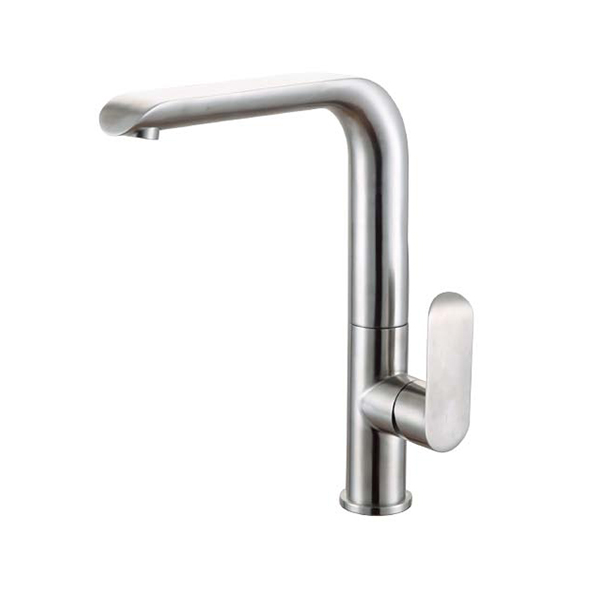
Single handle faucets share the same concept, but the exact disassembly steps depend on the handle structure and the cartridge retention design. Before removing anything, confirm the style you are working with.
Common single handle styles include:
Top lever handle with a hidden set screw
Side lever handle with a decorative cap
Handle secured by a top screw under a logo button
Pull-out or pull-down versions with a spray head and hose system
Also confirm whether you plan to remove only the handle and cartridge, or if you need to remove the entire faucet body from the sink. Most service tasks only require handle and cartridge removal.
Good preparation prevents scratches, lost parts, and accidental water damage. Many faucet screws and caps are small, so set up a controlled work area.
Typical tools you may need:
Adjustable wrench or correctly sized open-end wrench
Allen key set for handle set screws
Phillips and flat screwdriver
Soft cloth or towel to protect the finish
Small container to hold screws, caps, and clips
Strap wrench for delicate finish surfaces
Needle-nose pliers for retaining clips
Non-metal pick or plastic tool for removing decorative caps
Safety and protection steps:
Place a towel in the sink to prevent parts from falling into the drain
Cover the drain opening or use a drain screen
Use a soft cloth under tools to avoid scratching finishes
Take a quick photo at each step for reassembly reference
This preparation is especially useful in project maintenance work where consistent procedures reduce service time.
Disassembly should never start with pressurized water in the lines. Even a small amount of trapped pressure can spray when you open the cartridge chamber.
Steps to shut off and relieve pressure:
Close the hot and cold shut-off valves under the sink
Move the single handle to the open position to release pressure
Turn the handle from hot to cold and back to release both lines
If the faucet has a pull-out head, trigger spray mode briefly to release any remaining pressure
If shut-off valves are stiff or unreliable, stop and address that first. Forcing disassembly with uncertain shut-off control can cause unnecessary flooding.
Most single handle faucets conceal the fastening hardware for a cleaner look. The goal is to remove the handle gently and expose the cartridge retention system.
Typical handle removal process:
Locate the decorative cap or button on the handle
Use a plastic tool or a wrapped flat screwdriver to lift the cap without chipping it
Identify the fastener type underneath
This is commonly a Phillips screw or an Allen set screw
Loosen the screw and slide the handle upward or outward
If the handle is stuck due to mineral buildup, wiggle gently rather than prying forcefully
If the handle will not lift, apply controlled upward force while rocking slightly. Avoid metal prying on visible surfaces because it can permanently mark the finish.
After the handle is removed, you will typically see a cap, dome, or bonnet nut. Under that is the cartridge retention system.
Common retention designs:
Threaded bonnet nut that unscrews counterclockwise
Clip-retained cartridge with a U-shaped retaining clip
Top cap that lifts to reveal a nut or clip
Cover sleeve that must be slid off before the bonnet is accessible
Removal tips:
Wrap a cloth around the bonnet and use a strap wrench if the finish is delicate
If the bonnet is tight from mineral buildup, apply steady torque rather than jerking
Keep track of washers, spacers, and sleeves in order
Avoid twisting internal parts aggressively before the cartridge is released
Once the bonnet or retention clip is removed, the cartridge can usually be pulled straight out.
The cartridge is the heart of a single handle faucet. It controls both flow and mixing. Most drips and temperature problems trace back to cartridge wear or debris lodged in the sealing surfaces.
Cartridge removal steps:
Pull the cartridge straight up if possible
Some designs require a gentle rocking motion
Note the orientation of the cartridge tabs and alignment features
Check for visible debris, scale, or damaged seals
Inspect the cartridge chamber for mineral buildup or grit
Common problems you may see:
Flattened or torn O-rings causing leakage around the cartridge
Mineral scale preventing full seal closure, causing drip
Debris clogging inlets, causing reduced flow
Rough cartridge movement that causes stiff handle operation
If the chamber has heavy mineral buildup, clean it carefully with a non-scratch method and rinse thoroughly before reinstalling parts.
Many homeowners assume low flow requires cartridge replacement. In reality, aerator blockage is one of the most common causes, especially in hard water areas.
Aerator and screen checks:
Unscrew the aerator at the spout tip
Use a cloth and wrench only if necessary to avoid scratches
Rinse and remove trapped particles
Check for inlet screens near the cartridge or supply connections, depending on the model
Flush the lines briefly with the cartridge removed
Keep a container and towel ready to control water
If you find sand-like grit, it often indicates line debris or recent plumbing work. After cleaning, flow usually improves immediately.
Reassembly is not simply reversing the steps. Correct alignment is critical because a misaligned cartridge can cause leaks, stiff movement, or temperature reversal.
Key reassembly points:
Align cartridge tabs and seating surfaces exactly as removed
Ensure O-rings sit properly and are not twisted or pinched
Tighten bonnet nuts to secure the cartridge without over-compressing
Reinstall the handle and confirm full range of motion
Turn on shut-off valves slowly to avoid pressure shock
Testing checklist:
Open the faucet at low flow first and check for leaks at the handle base
Test both hot and cold positions for correct temperature direction
Check for drip after closing, allowing a few minutes to confirm sealing
If you have a pull-out head, test spray modes and docking stability
If a drip remains after cartridge cleaning and correct installation, replacing the cartridge is usually the next step.
FUJIA designs single handle kitchen faucets with attention to consistent internal assembly, stable sealing structure, and practical servicing access. In daily use, the most important long-term factors are smooth cartridge operation, reliable sealing, and finish durability that tolerates regular cleaning. FUJIA supports these needs through controlled production consistency and dependable component matching so faucets perform predictably over long service cycles.
For distributor programs and bulk order supply, consistent dimensions and repeatable internal structure reduce installation variation and simplify maintenance planning across multiple units. FUJIA can assist you in customizing unique and durable products. Explore the product range here: single handle kitchen faucet.
To disassemble a single handle faucet safely, shut off water, relieve pressure, remove the handle carefully, access the bonnet or retaining clip, and extract the cartridge for inspection. Most common problems such as drips, stiffness, and low flow come from cartridge wear, mineral buildup, or clogged aerators. With careful reassembly and proper alignment, many faucets return to smooth, leak-free operation.
If you want consistent long-term performance and service-friendly structure, selecting a well-built single handle faucet from a stable manufacturer makes maintenance easier and reduces repeat issues.
 Mobile Phone:
 Contact Now