

A clogged kitchen sink usually starts with slow drainage and turns into standing water when grease, food particles, coffee grounds, and soap residue build up inside the drain line. Most clogs form in the P-trap, the short horizontal run inside the cabinet, or the wall drain connection. The best way to unclog a sink is to work from the simplest, lowest-risk method to the more involved steps, checking drainage after each attempt. This keeps you from damaging pipes, scratching the sink surface, or pushing the clog deeper into the plumbing.
FUJIA manufactures and supplies kitchen sink solutions designed for daily use and easier cleaning. If you are upgrading or specifying a sink for a project, you can view configurations on our Kitchen Sink page.
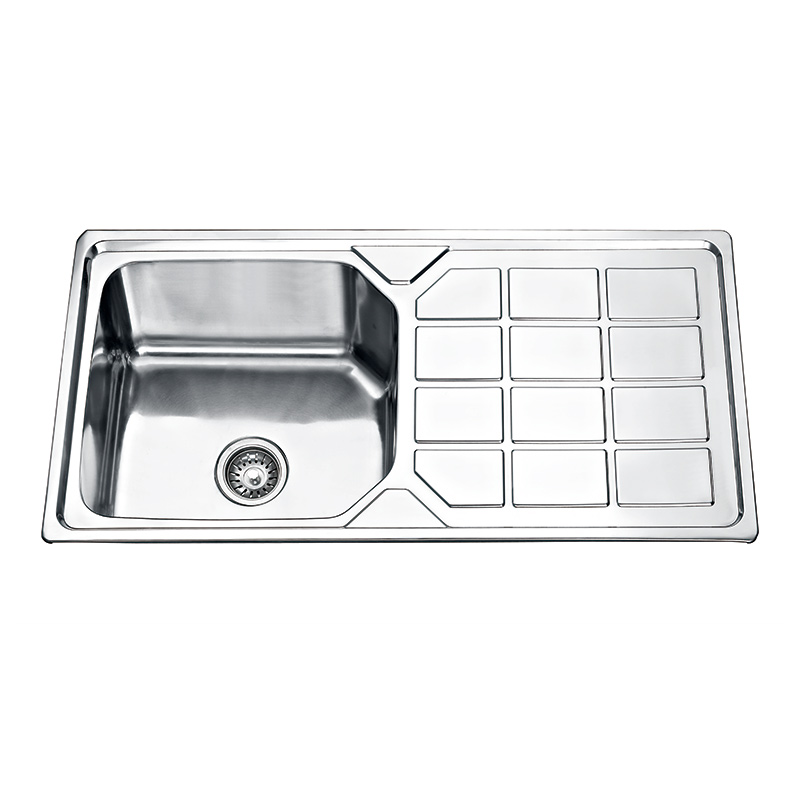
Before you start, confirm the symptoms because they tell you where the blockage is. If only one side of a double sink is clogged, the obstruction is usually in that side’s trap or branch line. If both sides drain slowly, the clog may be in the shared drain line. If the sink backs up when the dishwasher runs, the dishwasher drain hose or the connection at the sink drain may be restricted. A gurgling sound often indicates partial blockage with air trapped in the line, while standing water with no movement suggests a more complete blockage near the trap.
Look under the cabinet for leaks or previous repairs. Loose slip nuts or old washers can leak when you disassemble parts later, so it helps to know what condition the fittings are in.
Clear the cabinet area and place a bucket under the P-trap. Keep a towel and gloves ready. If you have a garbage disposal, turn off the power at the switch and confirm it cannot turn on accidentally. Standing water can hide sharp debris such as broken glass, so avoid reaching into the drain without checking.
Avoid mixing chemical drain cleaners with other treatments. In many kitchens, chemical cleaners are not necessary and can damage finishes, weaken certain pipe materials, or create a hazard when you open the trap. Mechanical removal and hot-water flushing solve the majority of kitchen clogs more safely.
If the sink is draining slowly but not fully blocked, hot water is a good first step. Grease is a common cause of kitchen sink blockage, and heat helps soften it so it can move through. Boil water, then pour it in stages rather than all at once so it stays hot longer in the pipe. Wait a minute, then test drainage. This method is simple and does not disturb fittings.
If the drain opening has visible debris, remove it before flushing. Many clogs begin as a surface layer that catches more waste. Clean the strainer basket and clear anything lodged in the drain mouth.
A plunger is one of the most effective tools when used correctly. For a single sink, fill the basin with enough water to cover the plunger cup. Seal the overflow opening if your sink has one, because air leaks reduce suction. Place the plunger directly over the drain and push down firmly, then pump with controlled strokes to create alternating pressure and suction. After 15 to 20 strokes, lift the plunger and check drainage.
For a double sink, you must seal the other drain opening with a wet cloth or a stopper. If the second drain is open, the pressure escapes and plunging becomes ineffective. When the seal is correct, plunging often clears soft clogs in the trap or near the wall connection.
If your sink has a disposal and water is slow to drain, the disposal chamber may be blocked. With power off, use a flashlight to look into the disposal. Remove visible food buildup using tongs, not your hand. Many disposals also have a manual reset button on the bottom. If the motor overheated, pressing reset can restore function once the blockage is removed.
If the disposal hums but does not spin, it may be jammed. Use the disposal wrench or an Allen key in the bottom socket to turn the flywheel back and forth until it moves freely. Then restore power, run cold water, and test again. A cleared disposal can restore normal drainage if the clog is within the disposal zone.
If plunging does not work or the sink is fully blocked, the P-trap is the next logical step because it is designed to be accessible. The P-trap is the curved section of pipe under the sink that holds water to block sewer gases. It also catches grease and heavy debris.
Place a bucket under the trap. Loosen the slip nuts by hand or with adjustable pliers, then remove the trap carefully. Expect water and debris to drain out. Clean the trap thoroughly and check the trap arm for buildup. If the trap contains heavy grease or compacted food, this is often the main blockage.
Before reinstalling, inspect the washers. A flattened or cracked washer can cause leaks after reassembly. Reinstall the trap, tighten slip nuts firmly by hand, then give a small additional tightening with pliers if needed. Over-tightening can deform washers, so tighten in small increments.
If the trap is clean but the sink still does not drain, the clog is likely farther down the line. A hand auger, also called a drain snake, is the best next tool. Feed the snake into the drain line through the trap arm connection. Rotate as you push forward. When you feel resistance, you have likely reached the clog. Work the snake gently to break the blockage, then pull it back to remove debris.
After snaking, flush with hot water. This helps carry loosened material away and confirms that the line is open.
If the problem appears after using the dishwasher, inspect the dishwasher drain hose where it connects to the sink drain or disposal. A clogged air gap, kinked hose, or buildup at the hose inlet can slow drainage and cause sink backups. Disconnect the hose carefully and check for blockages. Clean the connection and ensure the hose is routed without sharp bends.
This step is especially important in kitchens where grease is washed off cookware regularly, because grease can settle in the hose and create recurring restrictions.
Kitchen sink clogs are often preventable. The drain system is not designed to handle grease, fibrous food scraps, or large volumes of coffee grounds. Using a sink strainer, wiping greasy pans before washing, and flushing with hot water after heavy use reduces accumulation.
These habits make a noticeable difference:
Avoid pouring cooking oil or grease into the drain
Scrape food into the trash before rinsing dishes
Run hot water briefly after washing to carry residues through
Maintain disposal use by grinding small loads with strong water flow
Use a basket strainer that fits your sink opening properly
A well-designed sink and drain layout also supports easier cleanup and reduces places where debris can lodge. FUJIA’s kitchen sink options are built for practical daily workflow and straightforward maintenance, which helps long-term performance in busy kitchens. You can explore designs on our Kitchen Sink page.
| Symptom | Most Likely Location | Best First Fix | Next Step If Needed |
|---|---|---|---|
| Slow drain, no standing water | Grease film in trap line | Hot water flush | Plunge, then trap cleaning |
| Standing water in one basin | P-trap or branch line | Plunge with good seal | Remove trap, then snake |
| Both basins back up | Shared line or wall drain | Plunge with second drain sealed | Snake beyond trap |
| Backup when dishwasher runs | Dishwasher hose or disposal inlet | Check hose and inlet | Trap cleaning and snake |
To unclog a kitchen sink effectively, start by diagnosing whether the blockage is in the trap, the disposal, the dishwasher connection, or the main drain line. Use hot water and a properly sealed plunger for soft clogs, then move to trap removal for direct cleaning. If the clog sits beyond the trap, a drain snake is the most reliable way to break it and pull debris out. Finish by flushing the line and checking for leaks at every reassembled connection.
If you are planning a sink upgrade or dealing with repeated drainage issues tied to layout and daily workflow, FUJIA can help you select a practical kitchen sink solution and provide installation guidance. Visit our Kitchen Sink page and share your sink type, cabinet plumbing arrangement, and usage needs. Our team can support you with product recommendations and technical assistance.
 Mobile Phone:
 Contact Now