

Replacing a bathroom shower faucet is one of those upgrades that can make a bathroom feel cleaner, newer, and easier to use without changing the whole shower area. Many people decide to replace a faucet because of leaking, poor water control, surface wear, or simply because the old style no longer matches the bathroom. In some cases, the faucet still works, but the handle feels stiff, the finish looks tired, or the water temperature is harder to control than it should be.
The good news is that replacing a bathroom shower faucet is usually a clear and manageable process when the structure is understood first. The key is not to rush into removal. A shower faucet connects appearance, water control, and wall installation in one place, so the replacement should focus on both function and fit. When the new faucet matches the installation type and the spacing is checked properly, the result is usually smoother to install and better to use every day.
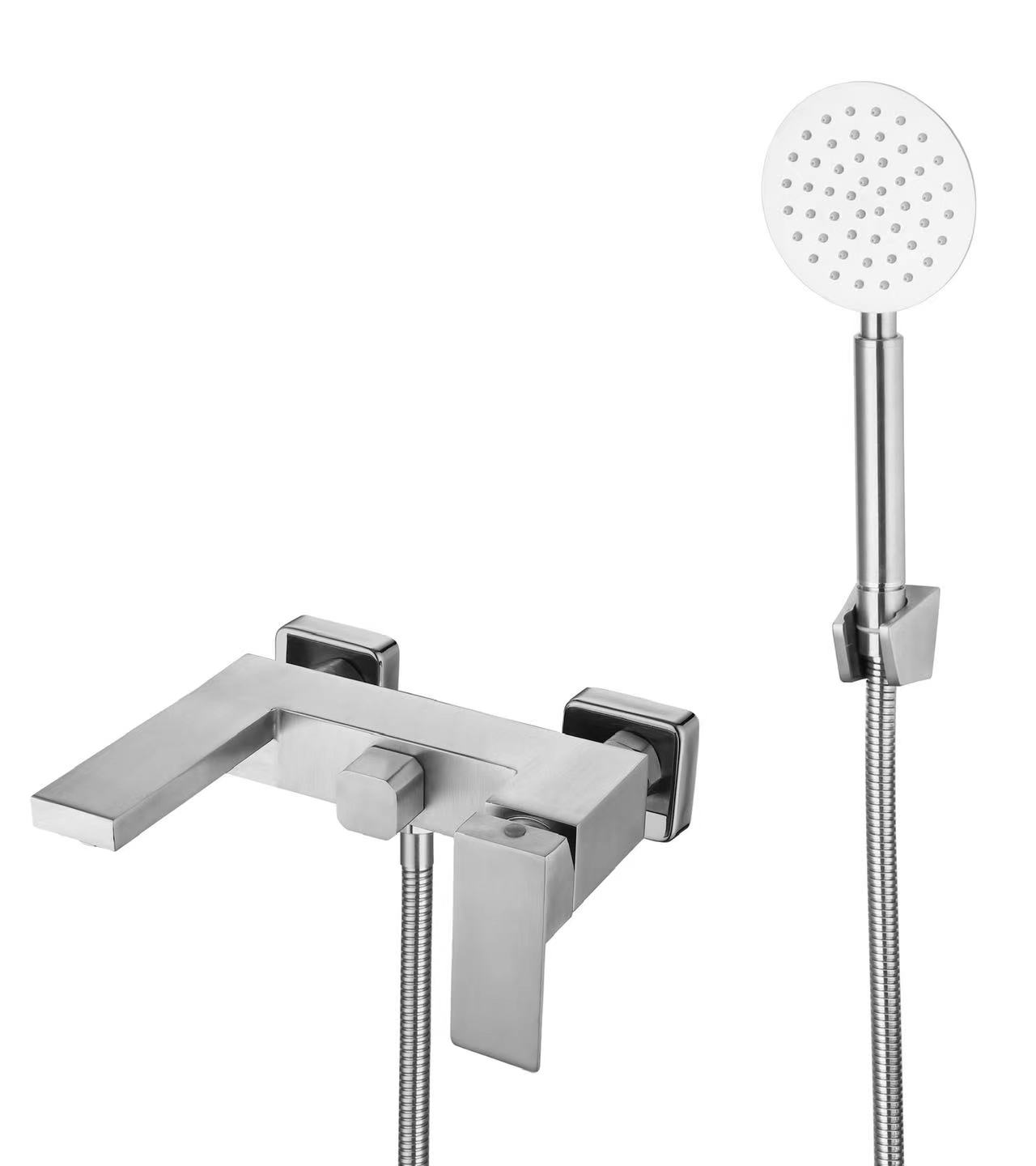
Before replacing anything, it is important to understand what kind of shower faucet is already installed. This affects nearly every step that follows. Some bathrooms use concealed systems hidden inside the wall, while others use exposed wall-mounted shower faucets that connect directly to visible wall outlets. The replacement process becomes much easier when the new product matches the existing installation style.
For many bathrooms, an exposed wall-mounted bath mixer tap is a practical option because it is easier to access during replacement and easier to maintain later. This type of faucet usually combines hot and cold water in one body and may connect with a fixed outlet or a handheld shower. In daily use, that layout feels direct and convenient, especially in bathrooms where simple control and easy cleaning matter.
If the replacement faucet follows the same wall-mounted structure as the old one, the installation process usually stays more straightforward. That is why identifying the faucet type first saves time and avoids unnecessary adjustments later.
The first practical step is always shutting off the water supply. This sounds basic, but it is one of the most important parts of the whole job. A faucet replacement should begin with the system fully stopped and pressure released. If water remains under pressure, even a simple removal can quickly become messy.
After the supply is turned off, it helps to open the old faucet and let any remaining water drain out. This also confirms that the supply has actually been cut off. Once the flow stops fully, the work area becomes much easier to manage.
At this stage, the bathroom should be kept as clear as possible. A clean and dry space makes it easier to inspect fittings, protect the wall surface, and handle the replacement parts without rushing.
The next step is removing the old faucet body. This should be done with care, especially if the wall finish is already complete and in good condition. In many bathrooms, the existing faucet has been in place for years, which means scale buildup, residue, or tight threaded connections may make removal slower than expected.
A careful removal matters because the pipe outlets in the wall need to remain in good condition for the new faucet. If the old fitting is forced too aggressively, the threads or wall connectors can be damaged, and that creates extra repair work. It is usually better to loosen gradually, clean as you go, and check the pipe ends once the old unit is removed.
This stage also gives a good chance to inspect the wall spacing and outlet condition. If the old faucet had alignment issues, leaks, or unstable mounting, those signs are often easier to see once the body is off the wall.
One of the most important parts of replacing a bathroom shower faucet is checking whether the new faucet matches the existing connection layout. A shower faucet may look correct in photos, but if the inlet spacing does not match the wall outlets, installation becomes much harder.
For wall-mounted bath mixer taps, the connection points need to align cleanly so the faucet body can sit level and stable against the wall. This is why spacing should be measured before the new faucet is fixed in place. If the spacing is correct and the pipe threads are in good condition, the installation usually goes much more smoothly.
This is also the stage where buyers and installers start to appreciate a well-designed exposed shower faucet. A good structure is not only about appearance. It should also make wall connection, alignment, and later maintenance more practical in real bathroom use.
Before the new shower faucet is mounted, the fittings should be checked carefully. The faucet body, connectors, seals, and any included accessories should be ready before installation begins. This avoids unnecessary stopping and restarting once the faucet is already being positioned on the wall.
A wall-mounted bath mixer tap is usually chosen because it combines practical water control with a neat appearance. Many modern versions are designed with a clean body shape, a mixing valve for hot and cold adjustment, and a handheld shower option that makes bathing more flexible. In replacement work, this kind of design is useful because it improves daily comfort while still fitting the basic wall-mounted structure many bathrooms already use.
At this point, it also helps to think beyond installation alone. Material and finish matter in long-term use. A faucet used in a humid bathroom should not only fit correctly. It should also hold up well under regular cleaning, water exposure, and repeated operation.
Once the wall outlets are ready and the new faucet has been checked, the faucet body can be installed. The main goal here is to create a secure and level connection. The faucet should sit evenly, connect without strain, and feel stable once mounted.
This stage should be done patiently because even a good faucet can feel poor in use if it is slightly misaligned. A wall-mounted shower faucet should look balanced on the wall and allow smooth handle movement after installation. If it is fixed under tension or at a slight angle, the finished result may affect both appearance and daily use.
In modern bathrooms, a well-installed exposed faucet often adds to the visual order of the room. The wall looks cleaner, the control area feels easier to reach, and the whole shower space appears more intentional rather than crowded.
If the replacement faucet includes a handheld shower, that part should be connected after the main faucet body is secure. The hose, showerhead, and bracket should be fitted properly so the system works as a complete unit. A handheld shower adds flexibility because it makes rinsing, cleaning, and daily use more convenient, especially in family bathrooms.
Once all parts are connected, the water supply can be turned back on slowly. The faucet should then be tested step by step. First check for leaks around the main inlets. Then test hot and cold mixing. After that, test the water outlet and the handheld shower if included.
A proper test is important because it confirms not only that the faucet works, but that it works comfortably. Water flow should feel stable, temperature adjustment should be smooth, and switching between functions should feel natural rather than stiff or uncertain.
When replacing a bathroom shower faucet, installation is only part of the decision. The new faucet should also be suitable for long-term bathroom use. Moisture, scale, daily cleaning, and repeated handling all affect the service life of the product.
This is why many buyers focus on metal quality and finish stability when choosing a replacement. A wall-mounted mixer tap made for bathroom use should feel durable, resist everyday wear, and keep a clean appearance over time. In many projects, Modern Exposed Shower Faucets are selected because they balance practical installation with a cleaner, more updated look.
Finish also matters. A replacement faucet should fit the bathroom style, but it should also be easy to maintain. In real use, a faucet is touched and cleaned often, so the surface should still look presentable after regular daily use.
Wall-mounted bath mixer taps remain popular because they are practical, simple to use, and visually clean. In replacement projects, they are especially useful because they often work well in bathrooms where users want a straightforward upgrade without rebuilding the wall structure completely.
They also make the shower area feel more organized. The control point stays clear, the outlet direction is easy to understand, and the faucet body usually works well with both bathing and showering needs. When paired with a handheld shower, the system becomes even more flexible for everyday family use.
For this reason, many homeowners, installers, and project buyers still prefer exposed wall-mounted shower faucets in bathrooms where easy maintenance and dependable daily performance matter just as much as design.
One common mistake is buying a new faucet before checking the installation type and spacing. This often leads to a product that looks right but does not fit the wall outlets correctly. Another common issue is focusing only on style while overlooking material, sealing, or water control structure.
Some people also rush the installation and test too quickly. A faucet replacement should be checked carefully at each stage, especially around the connection points. Small alignment or sealing issues are much easier to solve before the bathroom returns to normal use.
In most cases, a smooth replacement comes from preparation. When the faucet type is understood, the wall spacing is checked, and the installation is done patiently, the final result is more reliable and much easier to live with.
Replacing a bathroom shower faucet is really about matching the right product to the existing installation and then fitting it carefully. The most important steps are understanding the faucet type, shutting off the water supply, removing the old unit without damaging the wall connections, checking spacing, and installing the new faucet securely. Once these steps are handled well, the bathroom usually feels more comfortable, more practical, and visually cleaner.
A wall-mounted bath mixer tap is often a strong replacement choice because it combines simple installation logic, easy water control, and a clean modern appearance. If you are comparing exposed shower faucet options and want help with structure, finish, or product selection, feel free to contact us. We can provide practical guidance and help you choose a suitable faucet solution for your market or project.
 Mobile Phone:
 Contact Now